
Wonju personal rehabilitation: choosing among personal rehabilitation, personal bankruptcy and workout, and eligibility for each
People looking into Wonju personal rehabilitation in the face of debts they can hardly repay usually first ask which of personal rehabilitation (gaein hoesaeng), personal bankruptcy (gaein pasan) and personal workout fits them. The three systems differ in who handles them, the conditions for applying, and how much of the debt is reduced. Focusing on personal rehabilitation, we have summarized the differences among the three systems, the eligibility requirements, and frequently asked questions.
Debts you cannot repay on your own: three options
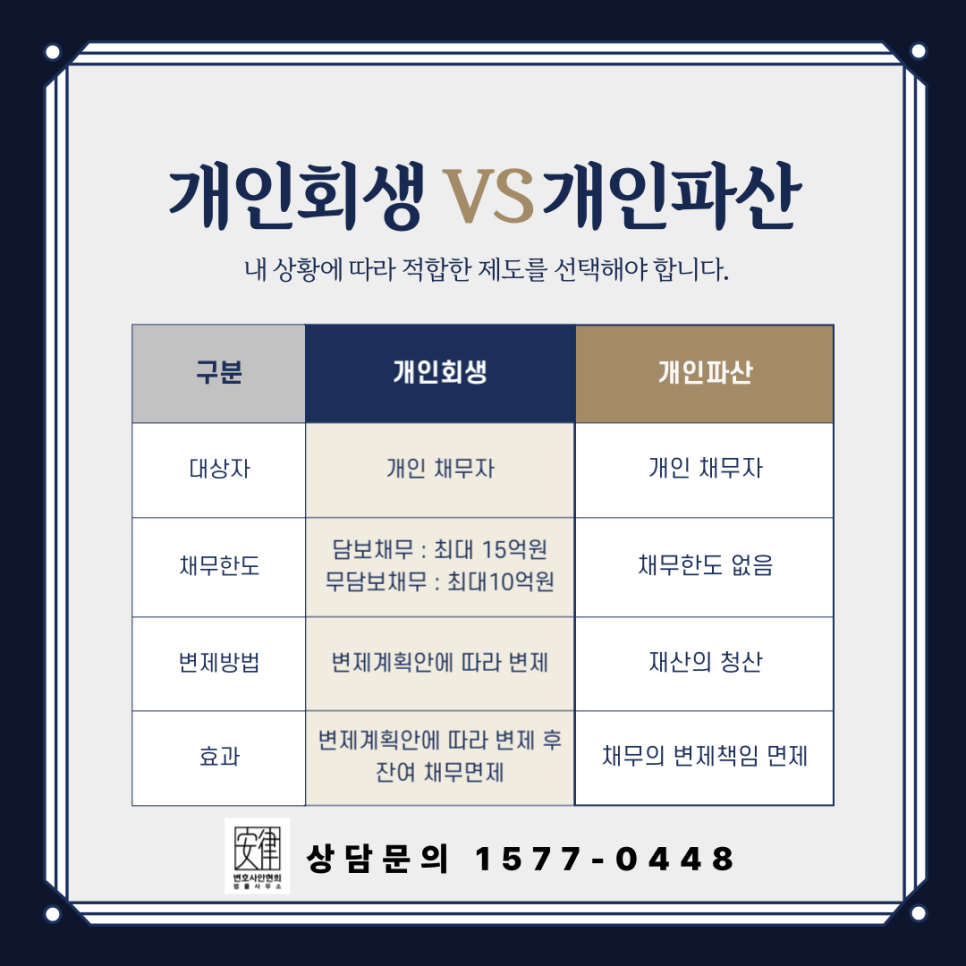
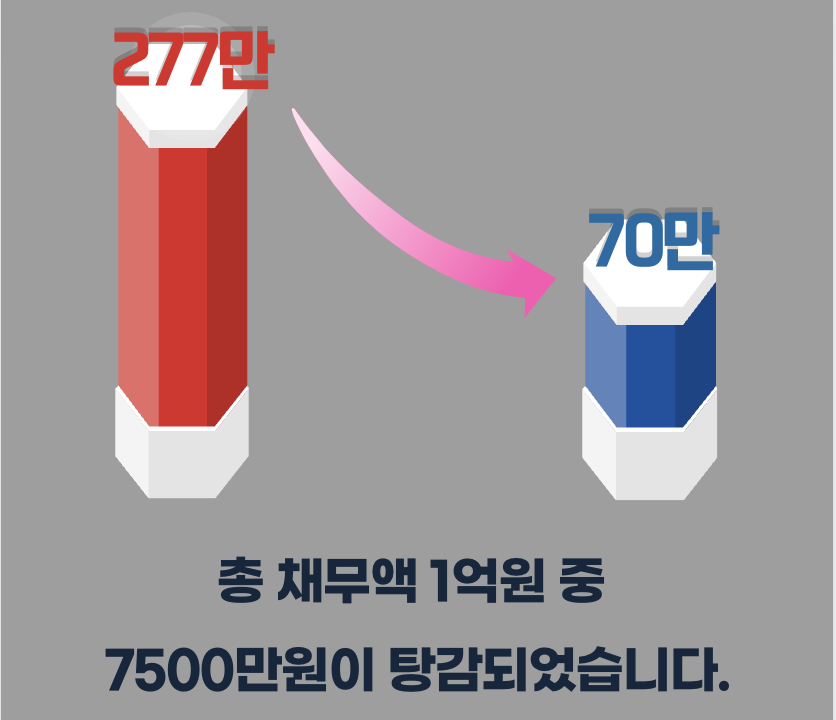
Personal rehabilitation is a debt adjustment system run by the court. You can apply regardless of whether you have fallen behind on payments and even if your creditors do not agree, and if the conditions are met, a substantial part of the principal and the interest is reduced.
Personal bankruptcy is a system for people who have no income and no ability to repay. Principal and interest can be discharged all at once, but the application conditions and procedures are strict.
Personal workout (debt adjustment through the Credit Counseling & Recovery Service) is handled by the Credit Counseling & Recovery Service. The paperwork is relatively simple and you can continue your financial life at the same time, but because it adjusts interest and the payment period, the principal is not reduced by much.
In the end, the key point of all three systems is how much the debt is reduced. Which system fits you depends on your income, assets and debt structure.
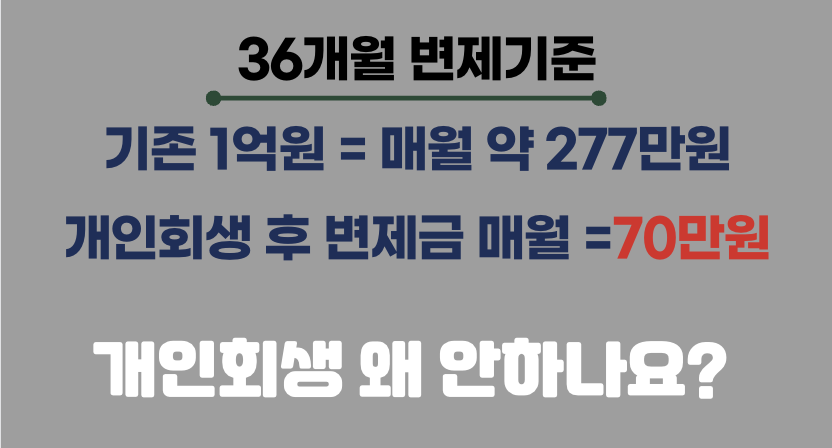
Eligibility for personal rehabilitation and personal bankruptcy
The eligibility requirements for personal rehabilitation are as follows.
- You must have income that will continue to come in steadily.
- Your debts must be no more than KRW 1.5 billion secured and KRW 1 billion unsecured. Our office generally considers cases with debts of KRW 10 million or more for personal rehabilitation consultation.
The eligibility requirements for personal bankruptcy are as follows.
- You must have no income at all or almost none.
- There is no separate debt limit.
Even if you think you would not qualify, many people turn out to be eligible for personal rehabilitation or personal bankruptcy once their assets, debts and income are actually examined. Since it is difficult to judge and apply on your own, it is a good idea to get a careful assessment through consultation.
Can I apply for personal rehabilitation if my income is not high?
Yes, you can. Personal rehabilitation requires regular and continuous income, and the court usually looks at income against the minimum cost of living for the year of application. This is to check whether you can repay part of the debt after deducting the minimum living expenses.
Even if your income falls slightly short of the minimum cost of living, there are ways. You can show the court your willingness to make the monthly repayments even by cutting your living expenses. If you have additional expenses beyond basic living costs, such as children's education, medical bills, monthly rent or child support, you can also explain them to the court and have the living expenses adjusted.
Can I get personal rehabilitation if I am not a regular employee?
Yes. Even if you are not a regular employee enrolled in the four major social insurances, such as a part-time worker, freelancer, homemaker, contract worker, day laborer, or someone paid in cash, you can apply for personal rehabilitation if you explain concretely and realistically that you have a steady income.
If you have no income at all, consider personal bankruptcy
If you have no income at all, or very low income, such as basic livelihood security recipients or near-poverty households, we review obtaining a discharge of your debts through personal bankruptcy. From choosing which system to use to actually receiving the discharge, the procedure has to be followed step by step.
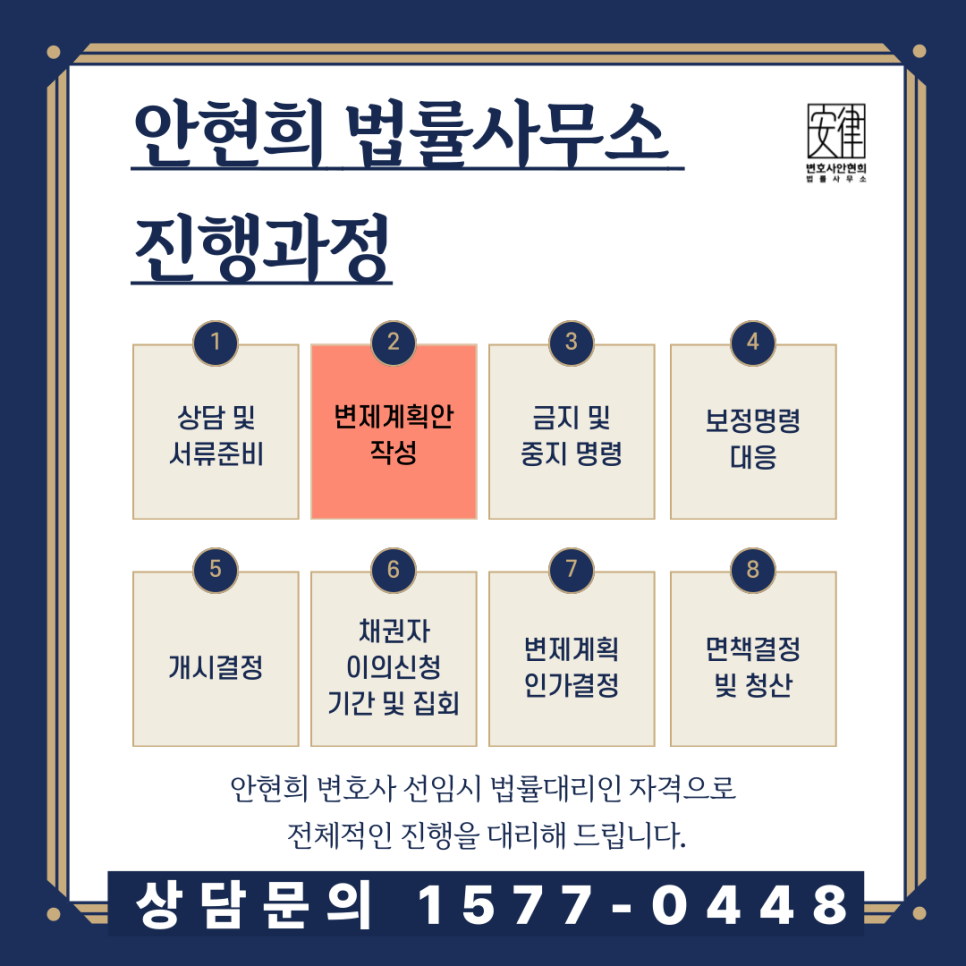
The key to personal rehabilitation is the repayment plan
The most important document in the personal rehabilitation system is the repayment plan. Even in a court procedure, it is ultimately people who review it. A plan that does not fit the purpose of the system, a plan that shows no sincerity or will, or a plan with missing documents or little chance of being carried out is hard to get approved.
That is why it matters to have someone who knows what each local court with jurisdiction considers important, and how recent cases are being handled, help you draft the repayment plan and respond to correction orders. Preparing documents without omission and responding faithfully to correction requests is the shortcut to completing personal rehabilitation.

If debt collection is distressing, use the collection agent system
If you are tormented by calls and text messages demanding payment, you can use the debtor's attorney (agent) system. Once the debtor appoints an attorney as the agent for debt collection matters, creditors can no longer contact the debtor directly or pursue debt collection against the debtor.
After this system is used, demand calls and text messages sent directly to the debtor become unlawful. Documents such as content-certified mail can only be sent through the agent. You can escape the stress of debt collection and concentrate on the personal rehabilitation or personal bankruptcy procedure.
Summary
- Personal rehabilitation suits people with income, personal bankruptcy suits people with no income and no ability to repay, and personal workout suits people who want to continue their financial life.
- Even if you are a non-regular worker or have a low income, you can apply for personal rehabilitation if you explain your situation well.
- The repayment plan is the key to personal rehabilitation, and if debt collection is distressing, the debtor's attorney (agent) system can stop direct contact.
The end of personal rehabilitation or personal bankruptcy is the day your debt is finally discharged. Find out through consultation which system fits your income and debts.
Last reviewed: 2026-10-19 This article provides general legal information; specific advice is given through consultation.
Tell us what is happening first
Leave an inquiry and we will explain how to proceed after reviewing it. If it is urgent, please call 1577-0448.