
Responding to debt collection until the personal rehabilitation prohibition order is served
We often hear that even after filing for personal rehabilitation (gaein hoesaeng), calls from creditors and demand letters do not stop. Filing alone does not stop debt collection; collection is restricted only after the court's prohibition order has been served on the creditors. Here is how to respond to debt collection during that interval.

Why debt collection does not stop the moment you file
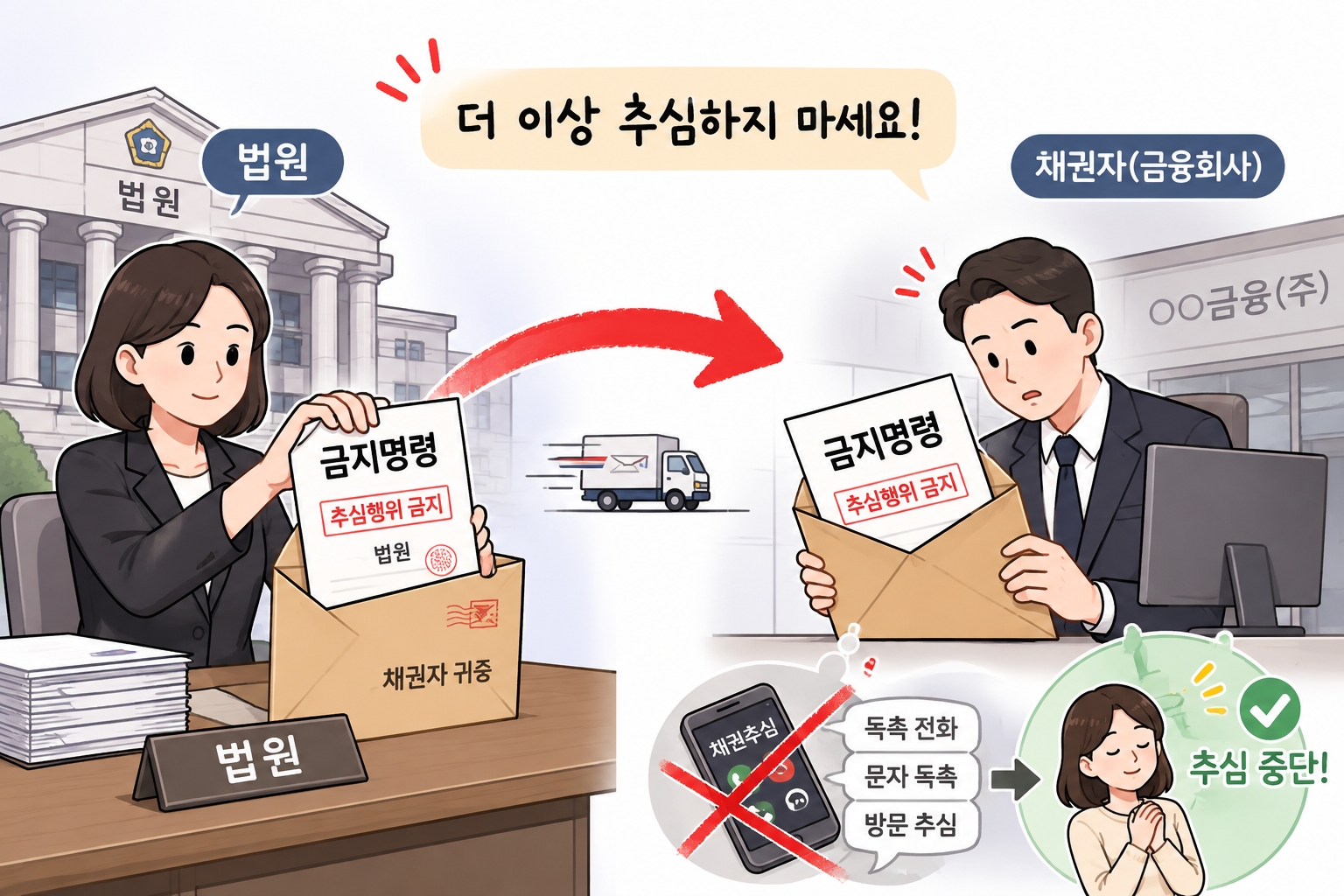
Many people believe that collection demands stop as soon as they apply for personal rehabilitation. The actual sequence is different. The court must decide on a prohibition order, and that decision must be served on the creditors before demands and debt collection activities are blocked.
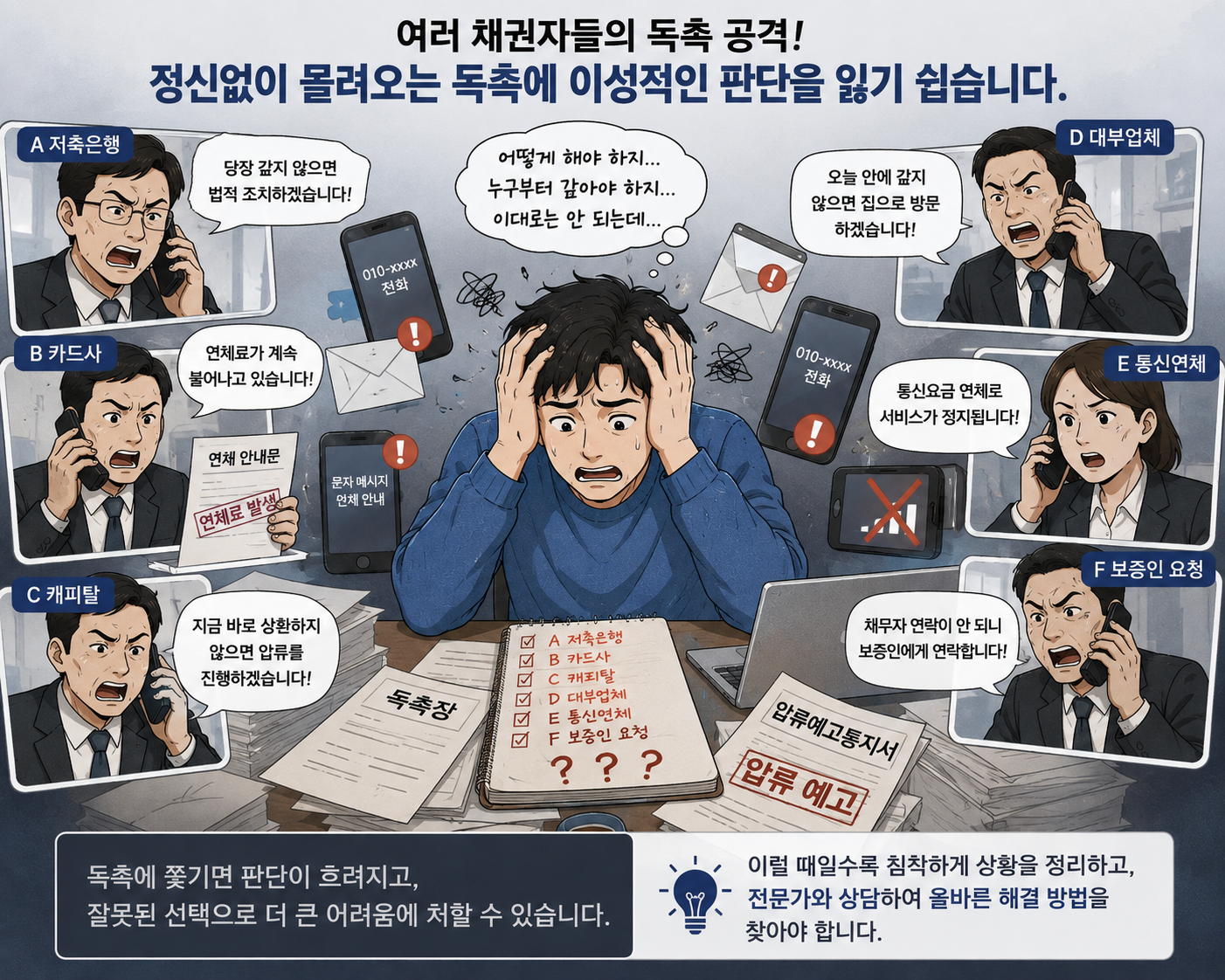
So after applying for personal rehabilitation, until the prohibition order is served, the following contacts may continue.
- Collection calls from creditors
- Text messages
- Demand letters by mail
- Notices pressing for repayment
This can happen as part of the procedure, so there is no need to be overly anxious.
A brief answer to collection calls is enough
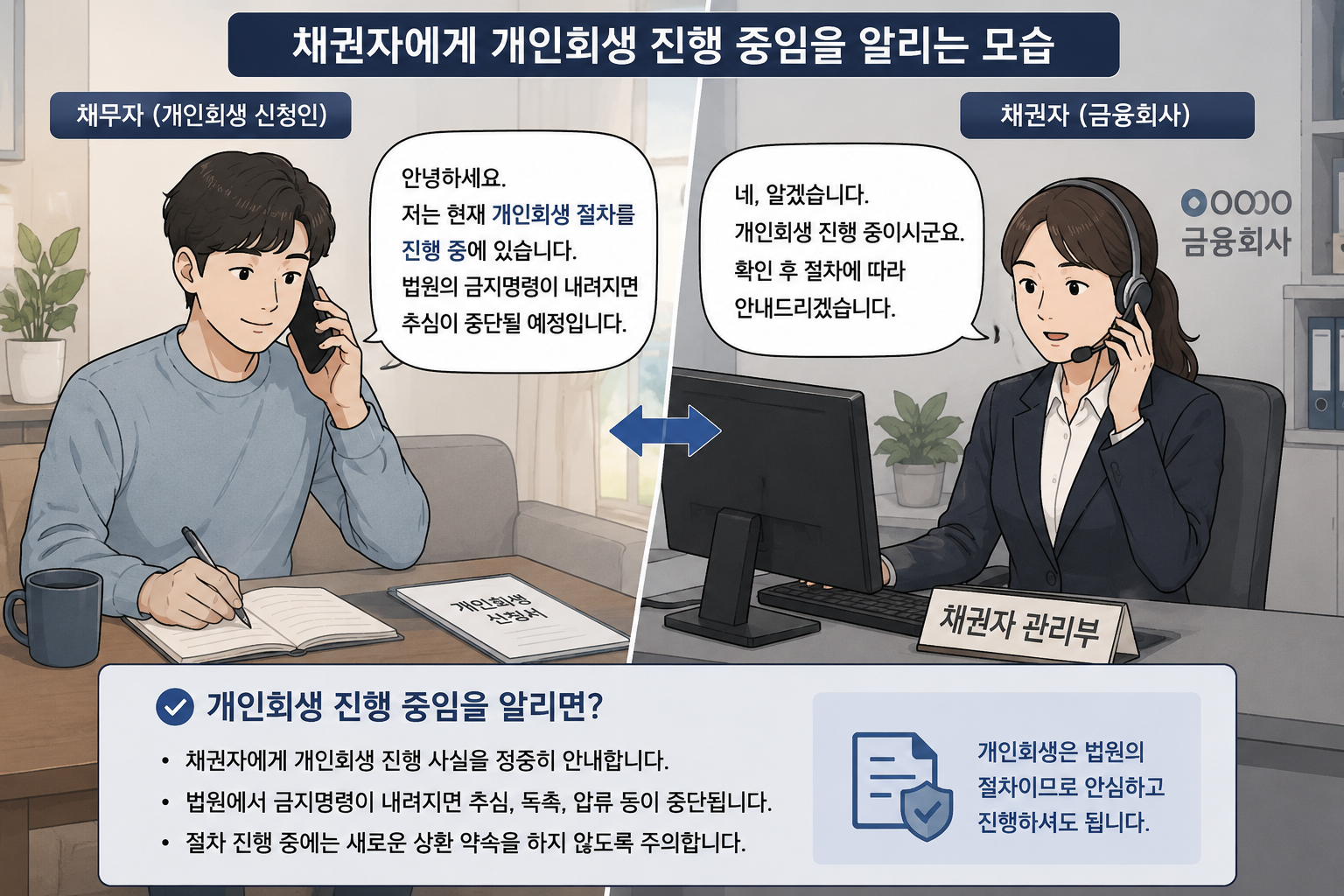
Avoiding calls altogether or raising your voice does not help your response to debt collection. It is enough to calmly tell them only that a personal rehabilitation procedure is underway and that you are handling the matter according to the court procedure.
I am currently going through personal rehabilitation, so I will handle this according to the court procedure.
There is no need to explain your circumstances at length or to make a new promise to pay on the spot.
Things you should not do just because the demands are overwhelming
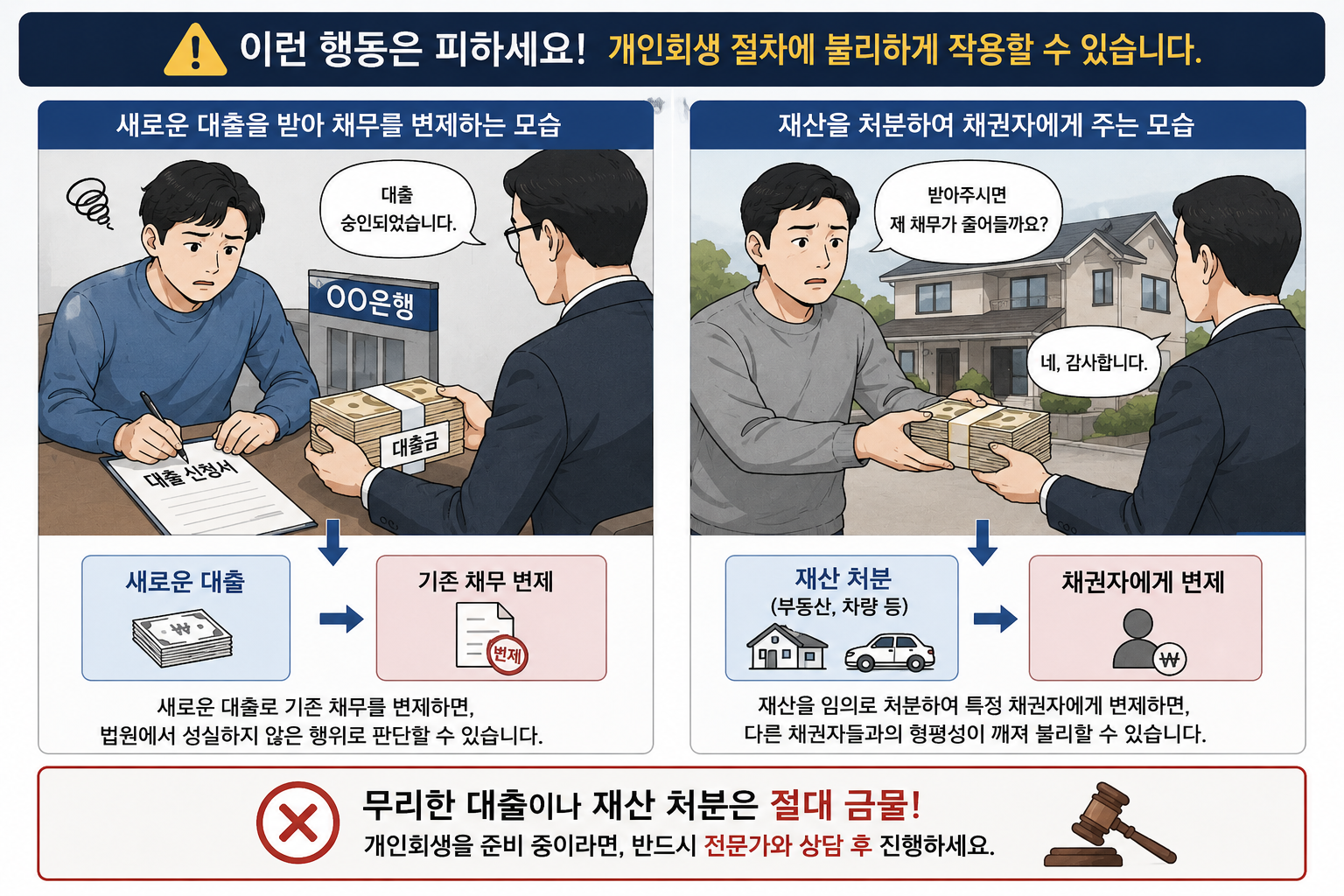
Some people, rushing to ease the pressure of debt collection, end up creating a situation that works against them in personal rehabilitation.
- Taking out a new loan to cover existing debts
- Rolling over card debt from one card to another
- Hurrying to pay back only certain creditors
- Hastily disposing of property
Actions like these can affect the personal rehabilitation procedure. Even if the demands continue, you need to act carefully.
What changes after the prohibition order is served
Once the prohibition order is served on the creditors, the following debt collection activities are restricted in principle.
- Collection calls
- Collection by text message
- In-person collection visits to your home or workplace
- New compulsory execution
In the end, the key to responding to debt collection in personal rehabilitation is shortening the time between filing and the issuance of the prohibition order. The faster you move through the procedure, the shorter the period you suffer from collection demands.

When it is too much to handle on your own
Each creditor collects debts differently, and what you should tell creditors also changes depending on what stage your personal rehabilitation is at. Whether a prohibition order is issued and how the correction procedure proceeds also differ from case to case, so it is best to prepare based on experience.
Our office handles the personal rehabilitation procedure with you, from case review and preparing the application to dealing with the prohibition order and correction procedure, through plan confirmation and discharge.

Summing up
- Filing for personal rehabilitation alone does not stop debt collection; it is restricted only once the prohibition order is served on the creditors.
- Before service, respond to demands only by briefly stating that the procedure is underway, and make no new promises to repay.
- Avoid new loans, rolling over debts, paying certain creditors first, and disposing of property.
Last reviewed: 2026-10-19 This article provides general legal information; specific advice is given through consultation.
Tell us what is happening first
Leave an inquiry and we will explain how to proceed after reviewing it. If it is urgent, please call 1577-0448.