
Personal rehabilitation case of a rental business owner: debt from returning jeonse deposits
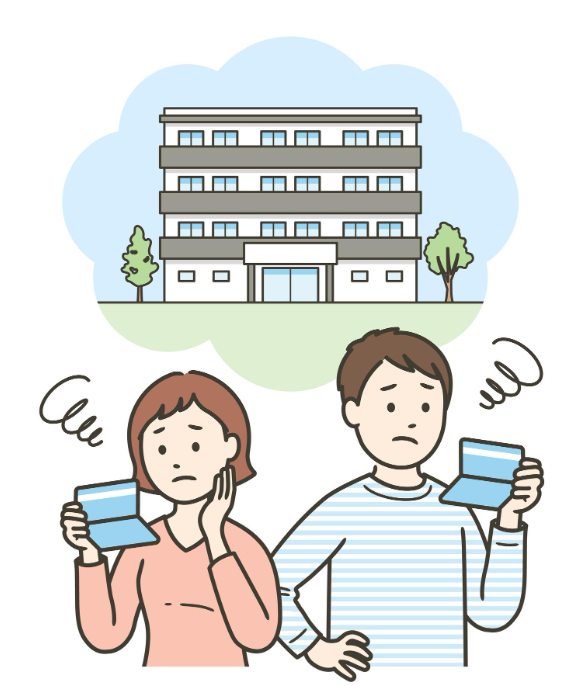
"You own buildings, so why don't you have any cash?" is the question we hear most often in personal rehabilitation (gaein hoesaeng) consultations with rental business owners. Even rental business owners who appear to own large buildings often turn out, on closer look, to have no cash on hand and to be unable to pay even the monthly interest. Following one consultation case, we explain how returning jeonse (lump-sum lease) deposits can turn into debt.
When he was called a successful landlord
The client was a rental business owner operating several multi-household houses. Rental income came in every month, and his credit was good enough to get additional loans from the bank. People around him called him a successful landlord.
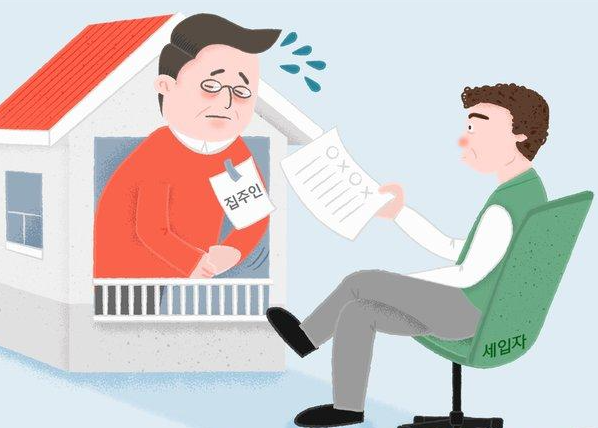
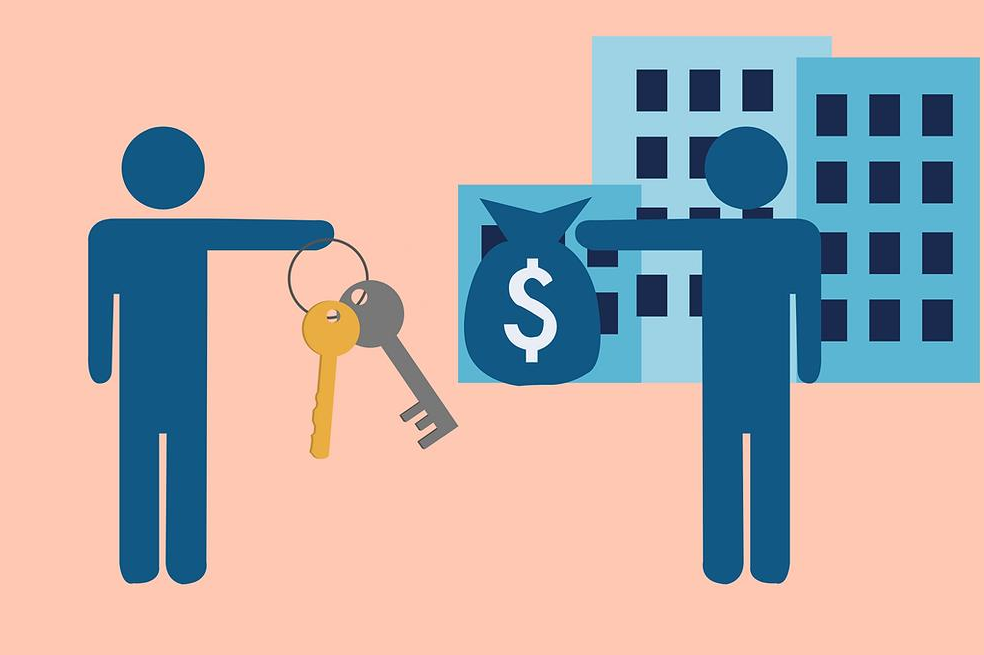
But a rental business does not become stable just because you own buildings. Many rental business owners buy or operate buildings with jeonse deposits built in. In effect, they carry the obligation to return the deposit whenever a tenant says they want to leave.

Debt that started with returning a single deposit
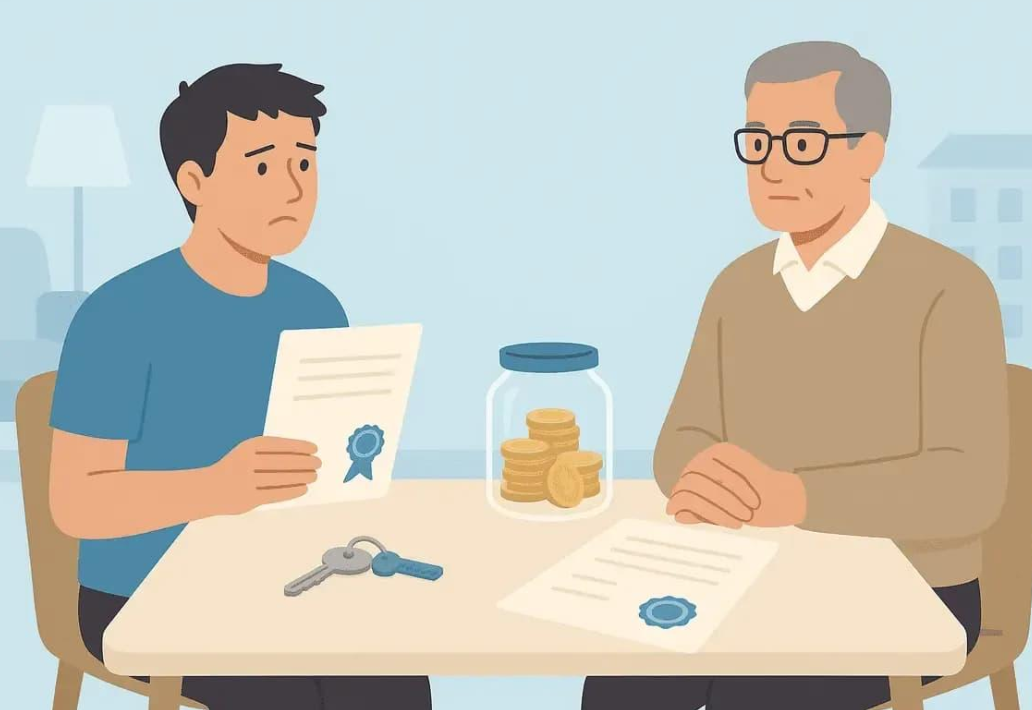
As the real estate market slowed, it became harder to find new tenants. A tenant whose lease had ended demanded the return of the deposit, but because no new jeonse contract was signed, there was not enough cash to pay it back.
The client returned the jeonse deposit with a bank loan. He thought it would be covered as soon as the next tenant moved in, but things did not go as expected.
A structure where loans lead to more loans
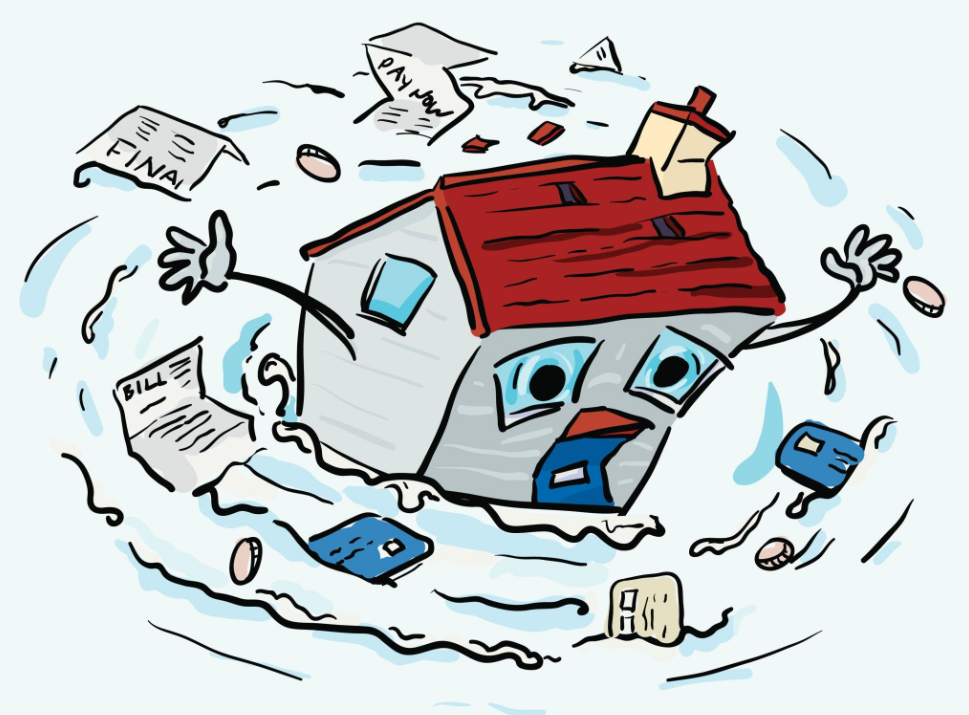
While no new tenant moved in, another tenant's lease ended, and he had to return a deposit again. Since he already had loans, he had no choice but to take out additional loans at higher interest rates.
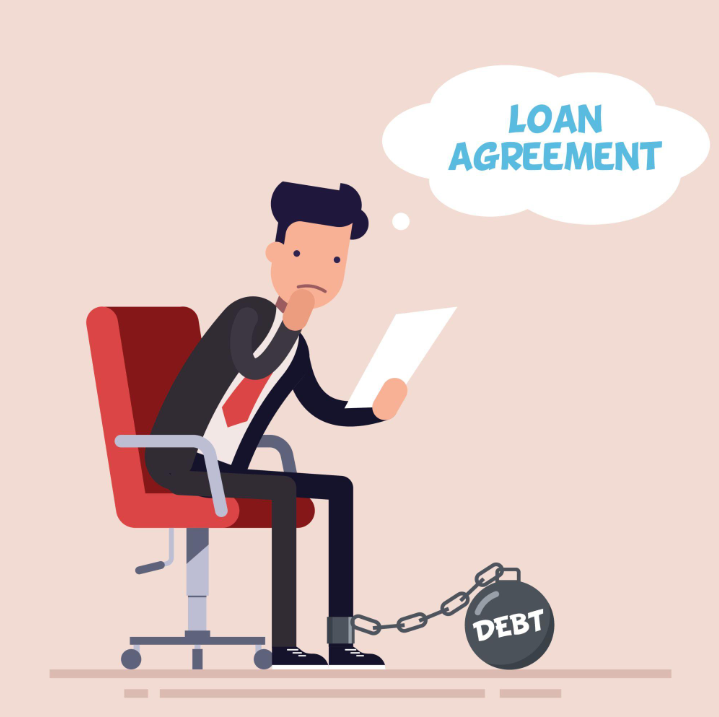
The debt spread in turn from bank loans to loans from secondary financial institutions, unsecured credit loans, and money borrowed from acquaintances. A vicious cycle repeated itself: borrowing to cover deposits, and borrowing again to repay that debt.
Owning buildings but having no cash in hand
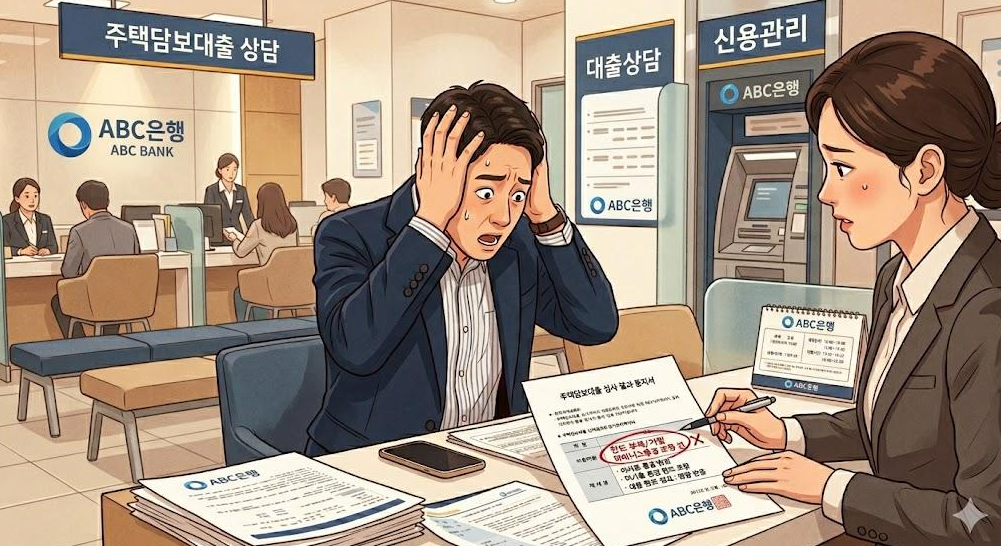
The buildings clearly had market value. But they would not sell, transactions dried up as the economy worsened, and jeonse units rarely got rented.
All that went out each month were loan interest, late-payment interest, taxes, and maintenance fees. Before he knew it, financial costs had grown larger than rental income.
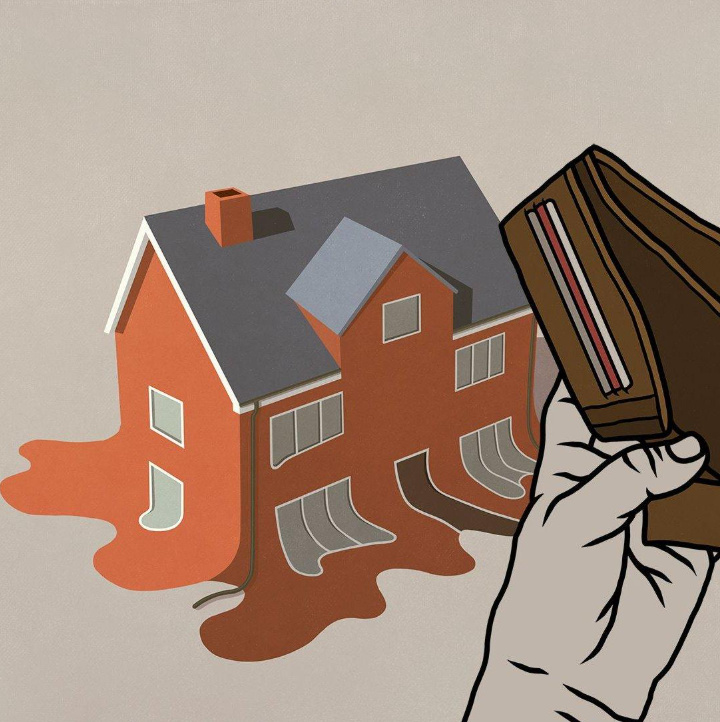
To raise the deposits, the client sold his car, cut living expenses, and also received help from his family. Even so, the debt that had already ballooned went beyond what personal effort could handle. With several million won going out in interest alone each month, daily life became difficult.

Personal rehabilitation is not a system for not paying
Some view applying for personal rehabilitation as avoiding responsibility. In reality, personal rehabilitation is a system in which you faithfully pay the monthly repayment the court approves, within the range you can afford, for a set period, and have the remaining debt adjusted. It is best understood not as a system that lets you avoid paying, but as one that restructures your debt so that you can pay it through to the end.
The client in this case also decided to go through the personal rehabilitation procedure after carefully reviewing his income, the scale of his debt, the status of his assets, and the details of his rental business operations in consultation.
What to check separately in personal rehabilitation for rental business owners
Personal rehabilitation for rental business owners involves more items to examine than for ordinary salaried workers.
- Real estate holdings
- Lease relationships
- Obligations to return jeonse deposits
- Secured loans and collateral mortgages
- Rental income
- How the other debts arose
These are organized together and submitted to the court in documents, and after going through the correction procedure, you obtain confirmation of the repayment plan.
While you hold out, the situation becomes more complicated
Many rental business owners spend time thinking they will hold out just a little longer, only for the situation to get worse. As time passes, late-payment interest grows, and as seizures, auctions, and restrictions on financial transactions pile up, the rehabilitation procedure can become that much more complicated. That is why it is important to get an accurate diagnosis of your current situation early.
Last reviewed: 2026-10-19 This article provides general legal information; specific advice is given through consultation.
Tell us what is happening first
Leave an inquiry and we will explain how to proceed after reviewing it. If it is urgent, please call 1577-0448.