
Personal rehabilitation case: key money and debt from expanding a restaurant
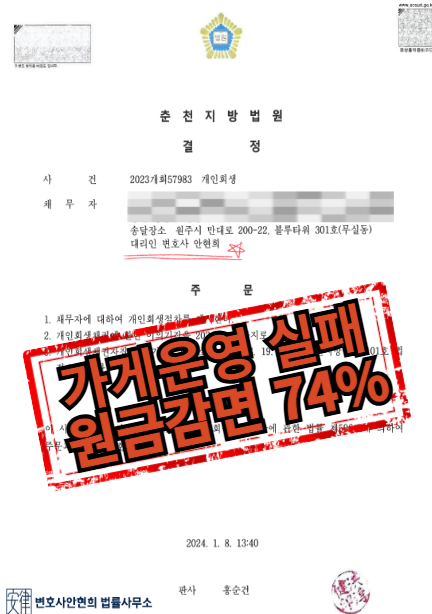
This is the personal rehabilitation (gaein hoesaeng) case of a restaurant owner who handed over a thriving shop in exchange for key money (gwolligeum, a premium paid for an established business location), expanded into a larger space, and saw his debt balloon. Many self-employed people grow their shops expecting that a little more investment will pay off, but when unexpected costs and weak sales overlap, debt can grow to a level that is hard to handle.

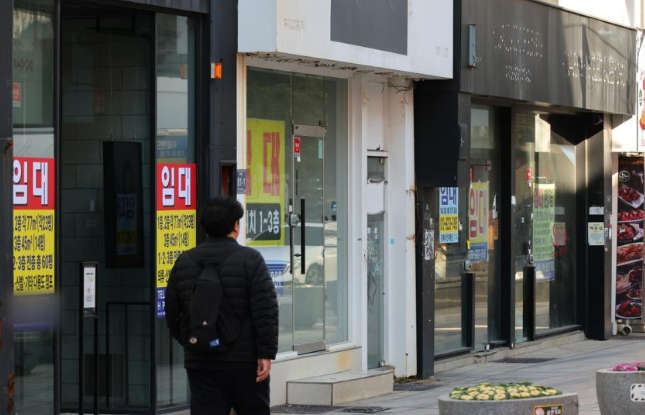
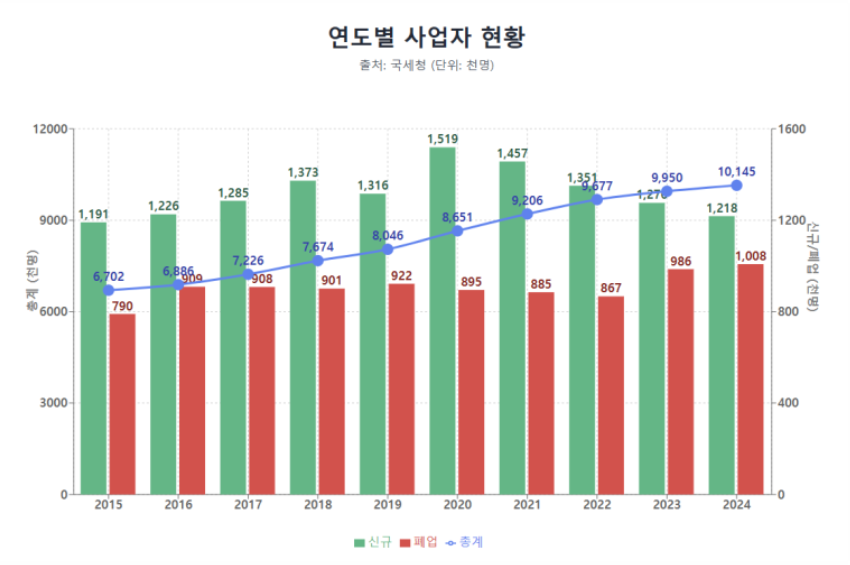
Handing over the existing shop for key money
The client ran a restaurant for many years and maintained relatively stable sales. Because the shop was doing well, he was able to hand it over for key money, and with this money as a base, he decided to open a new restaurant in a larger location with a better commercial district. It was an expansion meant to take the business up a level by improving location and scale.
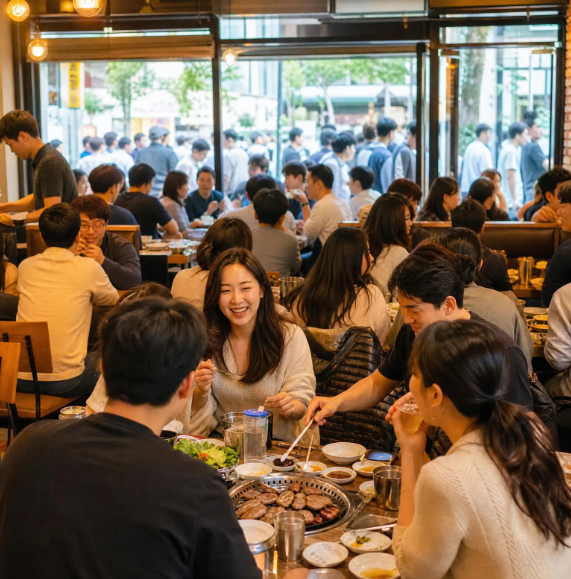
Opening costs that far exceeded expectations
The problem began while preparing the new shop. The interior, kitchen equipment, fixtures, signage, and various facility works cost much more than planned.
With construction already well underway, it was hard to stop, and the money already spent was too much to waste, so he had no choice but to see it through. He filled the shortfall with loans from financial institutions. He believed he could more than make up for it once the doors opened.
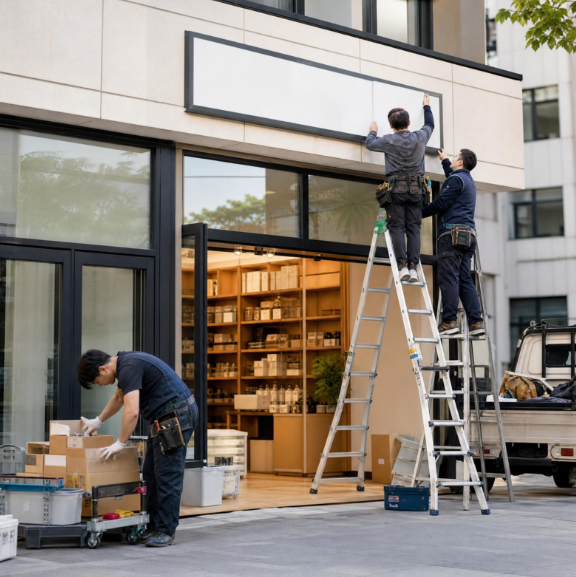
Sales did not rise, while fixed costs stayed the same
After the shop opened, customers did not come as expected. Meanwhile, fixed costs went out without fail every month.
- Monthly rent
- Staff wages
- Utilities
- Card processing fees
- Ingredient costs
With more money going out than coming in, losses piled up. He took out additional loans to cover operating funds, but things did not improve, and he eventually fell into a vicious cycle of taking out new loans to repay existing ones.

Even the money for ingredients ran out
As time went on, the shop's situation grew worse. Sales stayed flat, while the burden of loan principal and interest kept growing. It reached the point where there was not enough money even to buy ingredients for the next day's business, let alone pay staff wages.
Keeping the shop open was only adding to the debt. Judging that he could no longer repay normally, the client requested a personal rehabilitation consultation.

Getting debt adjusted through personal rehabilitation
Business failure can happen to anyone. Restaurants require a large initial investment, and sales swing widely with the economy and consumer sentiment.
Expanding a shop does not in itself mean failure. However, once debt that is hard to handle has already arisen, it is important to find a realistic solution. Through the personal rehabilitation procedure, the client had his excessive debt adjusted and laid the groundwork to get back on his feet financially.
What self-employed people can take from this case
Anyone running a business will face difficult times. What matters more than failure itself is choosing an appropriate solution before creating even bigger debt. If loans are growing because of your business and you keep rolling over card debt or taking out additional loans, it is better to look into a system suited to your current situation rather than holding out alone.
Personal rehabilitation is a system designed so that people who have lived diligently but are struggling because of an unexpected business failure can start again.
Last reviewed: 2026-10-19 This article provides general legal information; specific advice is given through consultation.
Tell us what is happening first
Leave an inquiry and we will explain how to proceed after reviewing it. If it is urgent, please call 1577-0448.