
Wonju personal rehabilitation: why screening has become stricter as external rehabilitation commissioners expand
In Wonju personal rehabilitation consultations these days, we often hear people say that there seem to be a great many personal rehabilitation (gaein hoesaeng) filings. When filings increase, the way the court handles cases also changes, and that change ultimately comes back to applicants as the amount of documents they must prepare. Here we explain why people say screening has recently become stricter, and what those preparing for Wonju personal rehabilitation should have ready.

What does the court change when filings increase?
Personal rehabilitation cases are handled by the court. Cases keep increasing, but court staff does not increase at the same pace. The court has no choice but to find other ways to handle the growing caseload.
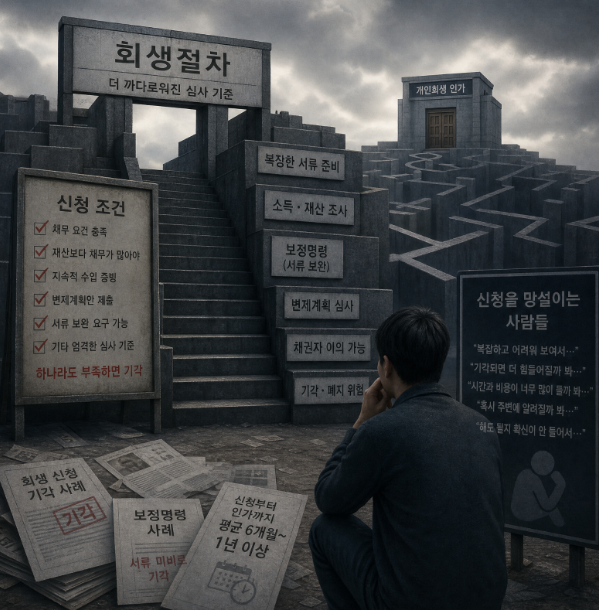

One of those ways is expanding the use of external rehabilitation commissioners. The Seoul Bankruptcy Court recently revised its practice guidelines to widen the range of cases handled by external rehabilitation commissioners. In the past, an external rehabilitation commissioner was often appointed when a salaried worker's debts were KRW 200 million or more, but this threshold has dropped to around KRW 150 million. This means that more personal rehabilitation cases may be assigned to external rehabilitation commissioners going forward.
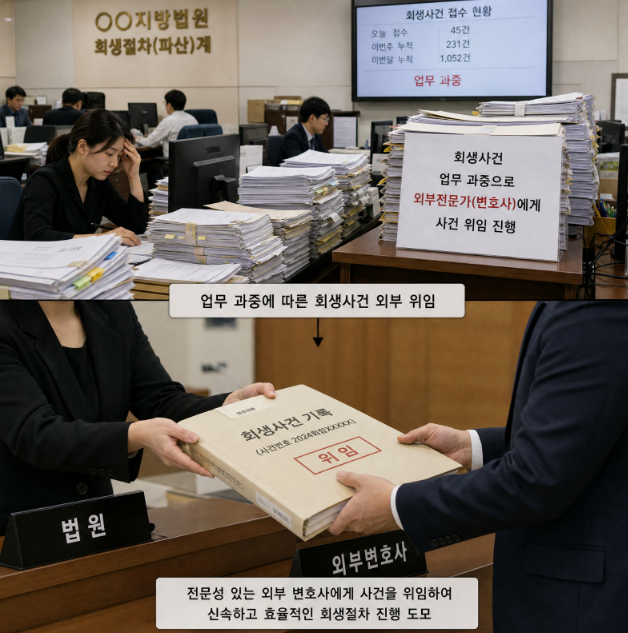
Who is an external rehabilitation commissioner?
The external rehabilitation commissioner system is one in which attorneys or certified judicial scriveners commissioned by the court review personal rehabilitation cases. The purpose is to ease the court's workload by entrusting part of the work previously done inside the court to outside professionals.
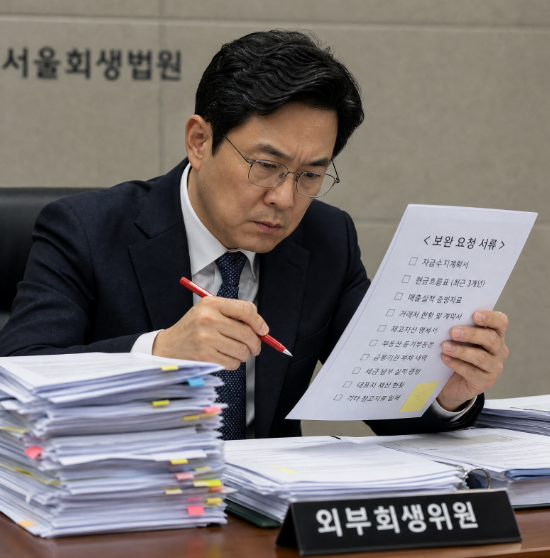
Why screening feels stricter in cases handled by external rehabilitation commissioners
In practice, requests for additional documents are not uncommon in cases handled by external rehabilitation commissioners. They sometimes ask applicants to submit financial transaction records, records of living expenses, and family relationship documents that the court itself might not have requested.
Because each commissioner's required documents and review approach differ slightly, the burden applicants feel can also grow. This does not mean every external rehabilitation commissioner works this way. However, for those going through Wonju personal rehabilitation, preparing documents thoroughly from the start has become even more important.
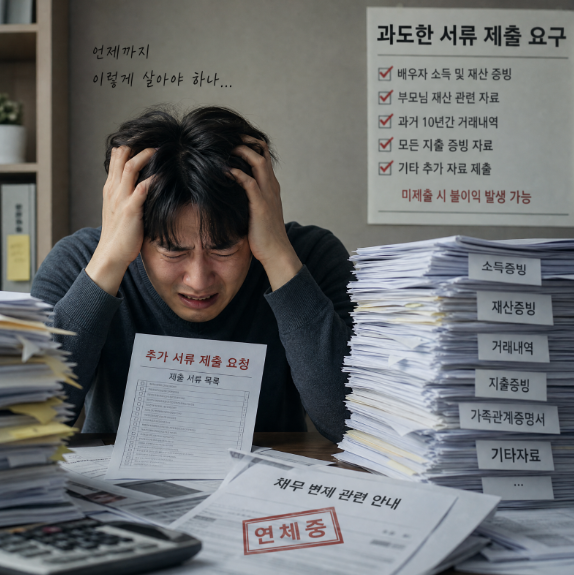
Going forward, the depth of preparation matters in Wonju personal rehabilitation
The rise in personal rehabilitation filings may not be a temporary phenomenon. With high interest rates, economic downturn, and rising living costs, the number of people seeking debt adjustment programs keeps growing. As cases increase, the court will keep looking for ways to reduce its workload, and the use of external rehabilitation commissioners may widen further.
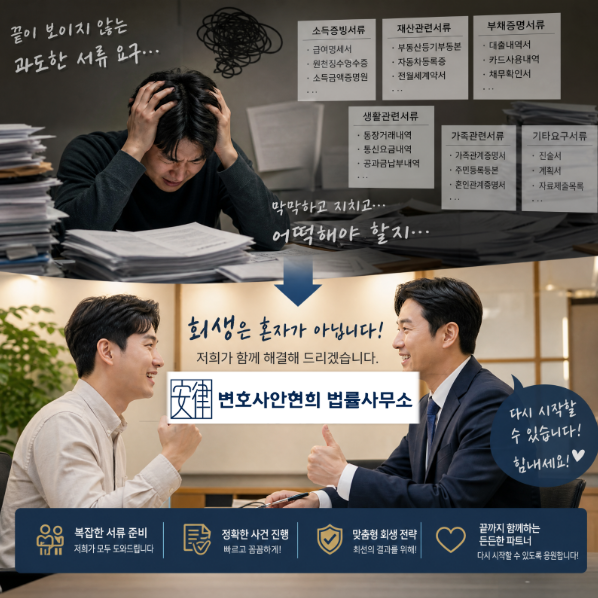
So if you are preparing for Wonju personal rehabilitation, it is best not to stop at simply filing the application, but to prepare the following materials systematically from the start.
- Income records
- Asset records
- How the debts arose
- Financial transaction records
In summary
Recent changes are ultimately moving in a direction where carefully prepared cases proceed more smoothly. If you are considering Wonju personal rehabilitation, we recommend analyzing your current situation accurately and starting the procedure only after you have gathered sufficient documents.
Last reviewed: 2026-10-19 This article provides general legal information; specific advice is given through consultation.
Tell us what is happening first
Leave an inquiry and we will explain how to proceed after reviewing it. If it is urgent, please call 1577-0448.