Wonju Personal Rehabilitation: Application Conditions, Income, Cost of Living and Net Assets
Many people are struggling with debt but hesitate even to seek a consultation because they are not sure personal rehabilitation (gaein hoesaeng) will work for them. We fully understand the worry of going in only to be told it is not possible. For those considering Wonju personal rehabilitation, we have summarized five application conditions you can first assess for yourself.
Personal rehabilitation is a system where you repay part and have the rest adjusted
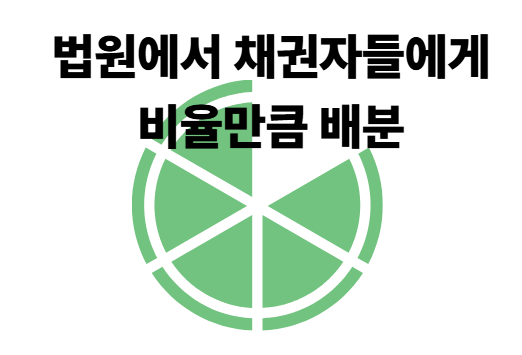
Personal rehabilitation is a system in which you repay only part of your debt and have the rest forgiven. For example, if your total debt is KRW 100 million and, based on your income and assets, you are judged able to repay about KRW 30 million, you repay the KRW 30 million in installments over 3 years and the remaining KRW 70 million is discharged.
The key point is that the debt is not forgiven in full; you repay part of it and have the rest adjusted.

Condition 1, do you have a steady income
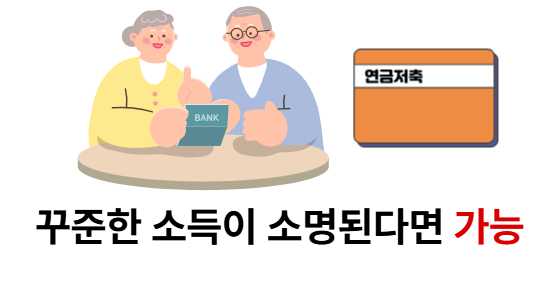
This is the most important standard. You do not need to be a permanent employee. Part-time workers, freelancers and the self-employed can all apply. What matters is whether you have income that recurs steadily every month.
Without income, repayment itself is impossible, so it is difficult to proceed with personal rehabilitation.

Condition 2, are you currently unable to handle your debts
Simply put, the question is whether more money is going out than coming in. If your monthly income is KRW 3 million but KRW 4 million goes out on loan repayments and living expenses, your debt is already excessive.
Whether you have defaulted is not considered. Even without any default, you can apply if your current situation is hard to sustain, and proceeding before you default may actually work in your favor.
Condition 3, is there money left after the cost of living
Personal rehabilitation is repaid from the money left over, that is, your disposable income. As of 2026, the cost of living for a one-person household is about KRW 1.54 million. If your monthly income is KRW 2 million, KRW 460,000, which is KRW 2 million minus KRW 1.54 million, becomes your monthly repayment.
Conversely, if your income is less than the cost of living, it is difficult to proceed with personal rehabilitation. The more dependents you support, the higher the cost-of-living standard becomes.
Condition 4, do your debts exceed your assets
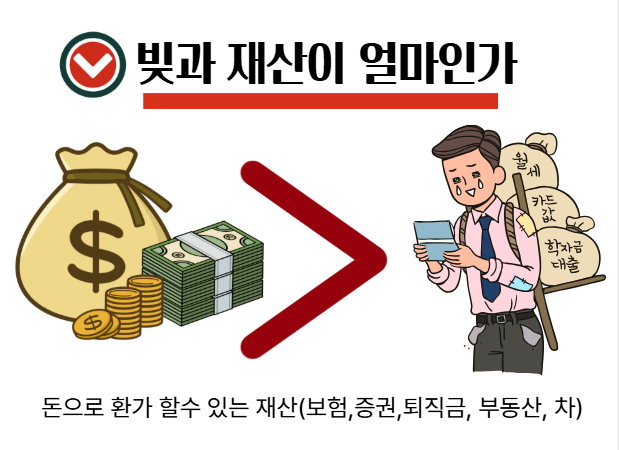
Many people are confused about this point. You can apply even if you own a car or have a jeonse deposit. What matters is your net assets.
For example, if your home's market price is KRW 500 million and the loan on it is KRW 450 million, the actual value of the asset is KRW 50 million. The key is how much your assets are worth after subtracting secured loans, and if your net assets are less than your total debt, personal rehabilitation may be possible.
Condition 5, can you explain how you used your recent loans
This is a very important point in practice.
In cases that may be a problem, the monthly repayment may go up or the process may become more difficult. That does not mean it is impossible, though; the key is whether you can explain how the money was used.

When a Wonju personal rehabilitation consultation is worth getting
If three or more of the following five apply to you, a consultation is worth getting.
- You have a steady income every month
- Your expenses exceed your income
- Some money is left over even after the cost of living
- Your debts exceed your assets
- You can explain how you used your recent loans
In closing
Personal rehabilitation is not a system that makes your debt disappear; it is a system that lets you repay what you realistically can and start again. In Wonju, too, many people first set their direction through a consultation. Rather than hesitating until your situation worsens, it is best to check your options quickly.
Last reviewed: 2026-10-19 This article provides general legal information; specific advice is given through consultation.
Tell us what is happening first
Leave an inquiry and we will explain how to proceed after reviewing it. If it is urgent, please call 1577-0448.