
Wonju Personal Rehabilitation Procedure: 10 Steps from Consultation to Discharge
The first concern of people looking into personal rehabilitation (gaein hoesaeng) for the first time is where to start. We have divided the Wonju personal rehabilitation procedure into 10 steps, from consultation to discharge, following the actual flow of a case, and summarized how long each step takes and what to check.
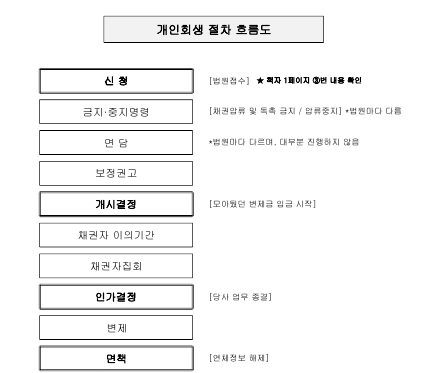
Step 1, it starts with a consultation
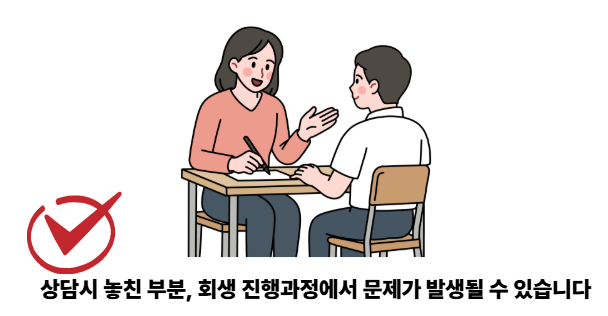
Personal rehabilitation is a difficult procedure to handle alone, so a consultation comes first. Rather than deciding after hearing from only one place, it is better to get consultations at two or three places and choose one that explains clearly and responds quickly. For Wonju personal rehabilitation, also check whether they know the practices of the local court well.
Step 2, preparing documents is the most important
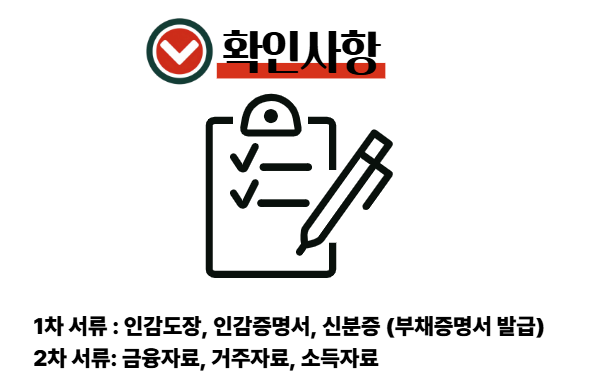
Once you decide to proceed after the consultation, you submit your documents. The following are usually prepared.
- Documents related to your debts
- Proof of income
- Details of your assets
- Expenses and cost of living
- Records of how funds were recently used
How quickly you submit documents at this stage makes a big difference to the speed of the whole process.
Step 3, filing the application and the case number
Once the documents are ready, the application is filed with the court right away. A case number is issued as soon as it is filed, and normally filing is completed within about a week after you submit your documents. If filing is delayed by more than a month even though you have submitted everything, there is likely a problem with how the case is being handled.
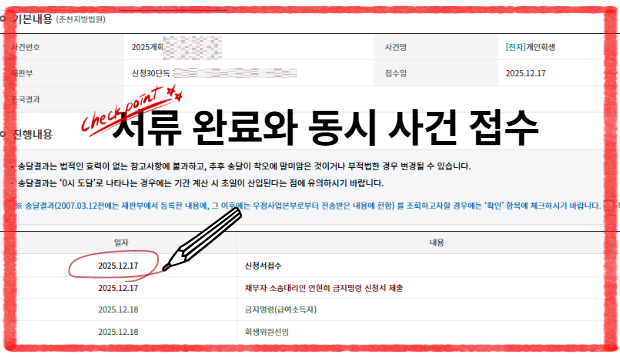
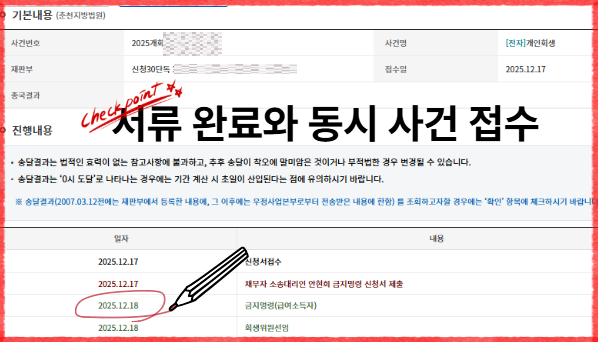
Step 4, a prohibition order stops debt collection
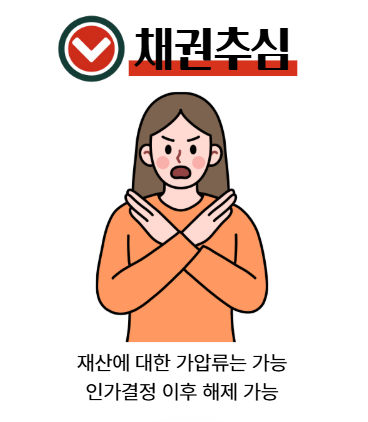
A prohibition order is applied for together with the personal rehabilitation application. Once the prohibition order is issued, demands from card companies and moneylenders stop, and seizures and compulsory execution can be prevented. It is usually decided within 3 to 5 days, and many people feel the greatest sense of relief at this stage.
Step 5, corrections usually come two or three times
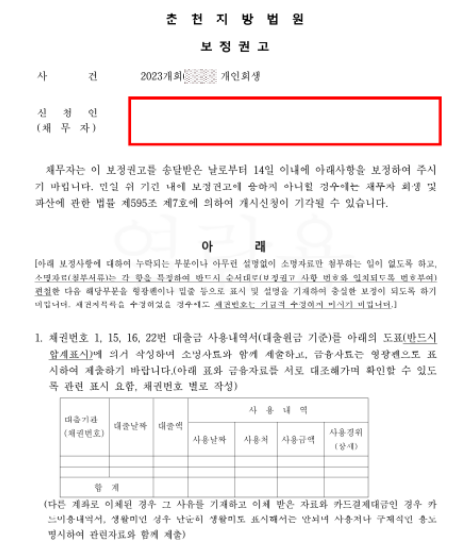
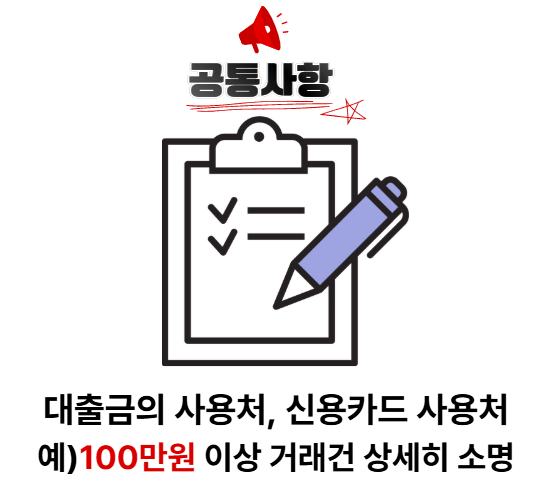
When the court reviews the documents and requests additional materials, this is called a correction. Requests come for things like explaining certain expenses, confirming how funds were used, and submitting missing documents. This generally happens two or three times, and this process is the core of the personal rehabilitation review.

Step 6, the commencement decision is a turning point
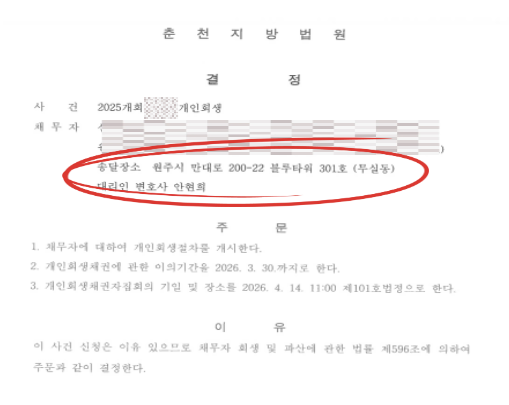
Once corrections are finished, the commencement decision is issued. The court opens the personal rehabilitation procedure, and around this time it is decided how much you will repay each month. It takes an average of 3 to 6 months to reach the commencement decision, and this varies by region. Seoul, Suwon and Incheon are relatively fast at about 3 months, while other regions sometimes take more than 6 months.
Step 7, the creditors' meeting is a formality
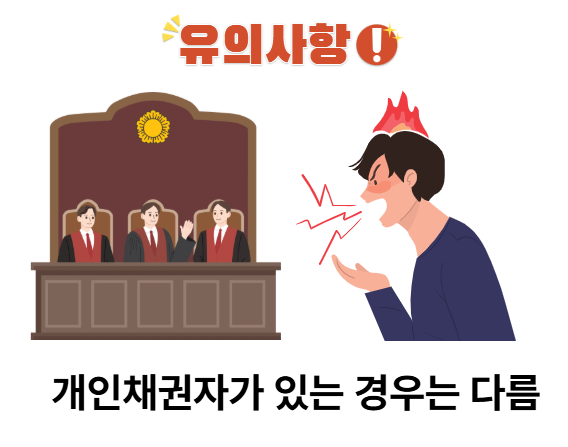
About a month after the commencement decision, a creditors' meeting is held. Creditors rarely attend, and it is mostly conducted as a formality, so it is a step you pass through without much burden.
Step 8, the plan confirmation decision finalizes the repayment plan
About a month after the creditors' meeting, the plan confirmation decision is issued, and with it the repayment plan is finally fixed. From application to plan confirmation takes as little as 6 months, usually 6 to 9 months, and up to 1 year at the longest.
Step 9, repayment over 3 or 5 years
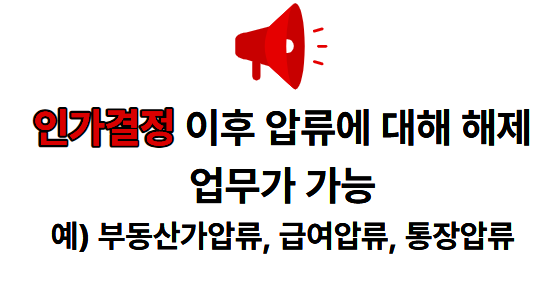
After plan confirmation, you steadily pay the set amount for 36 or 60 months. During this period, paying faithfully matters more than anything.
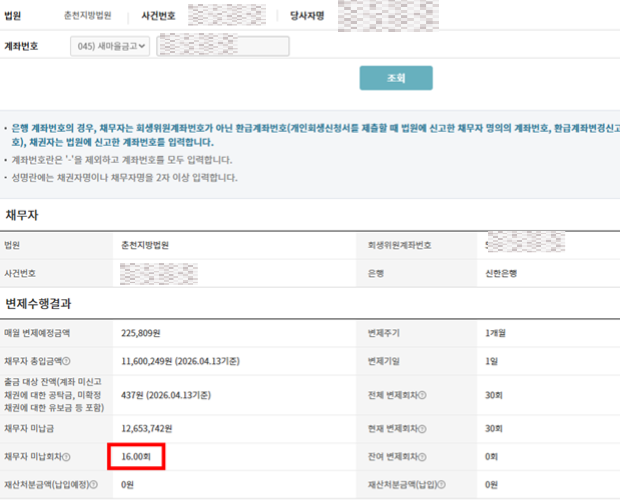
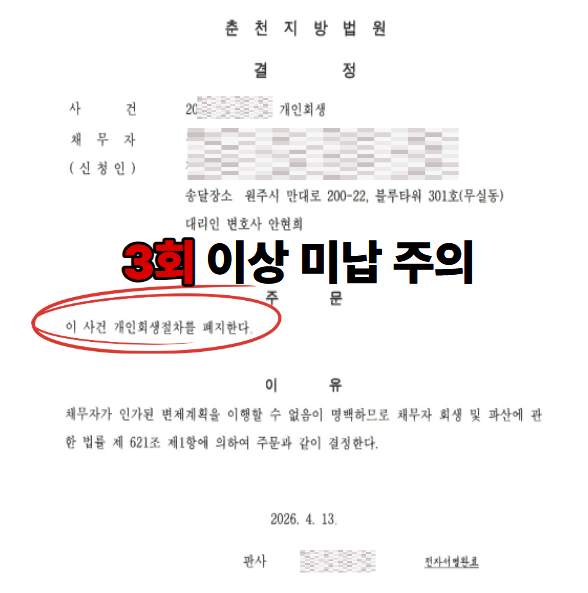
Step 10, applying for discharge and recovering your credit
Once you have finished all repayments, you apply for discharge. When you receive the discharge, all remaining debts are forgiven and your credit begins to recover. Once the change is reflected by the Korea Credit Information Services, the Wonju personal rehabilitation procedure is essentially complete.
Standards for checking the progress of your case
If your case departs significantly from this flow, you should be sure to check its progress. Also look at whether progress is excessively slow, whether the person in charge responds quickly, and whether they have experience handling corrections.
Personal rehabilitation is not a procedure that ends with reducing your debt; it is a process for getting back on your feet financially. If you understand the procedure accurately as you proceed, you can reduce unnecessary wasted time.
Last reviewed: 2026-10-19 This article provides general legal information; specific advice is given through consultation.
Tell us what is happening first
Leave an inquiry and we will explain how to proceed after reviewing it. If it is urgent, please call 1577-0448.