
Personal Rehabilitation for Tenants: Jeonse Deposits, Pledges, Small-Amount Deposits and Liquidation Value
"Will I lose my jeonse or monthly-rent deposit if I file for personal rehabilitation? What if my landlord tells me to move out?" These worries weigh especially heavily on tenants who do not own a home. The short answer is that you can go through personal rehabilitation (gaein hoesaeng) and still keep your deposit and stay where you live. Below we explain, with an example, how a jeonse deposit (a lump-sum lease deposit) is treated when a tenant files for personal rehabilitation.


For a tenant, the deposit is effectively an asset
Many people who apply for personal rehabilitation are tenants rather than homeowners. In that case there is one starting point: the jeonse deposit is effectively your asset. That is why, in personal rehabilitation proceedings too, the deposit must always be examined and the scope of its protection determined.

Key concept 1: whether a pledge has been created
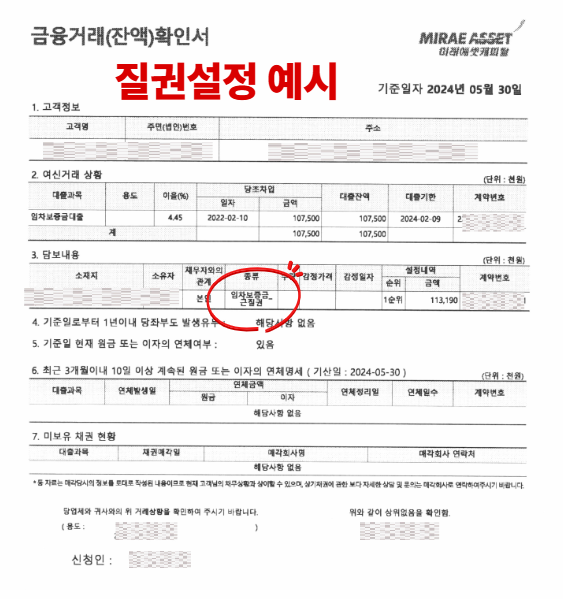
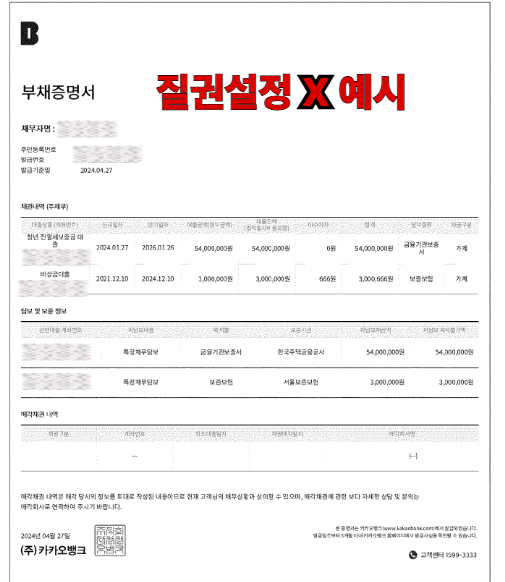
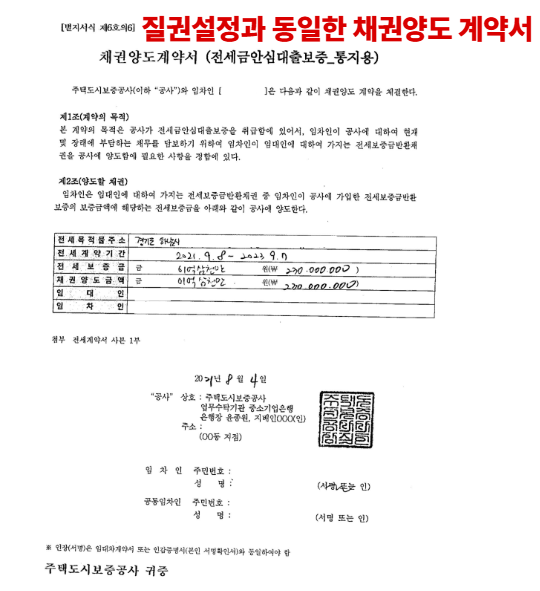
If you took out a jeonse loan, first check whether a pledge has been created over the deposit.
- If a pledge has been created, the bank has priority over the deposit.
- If no pledge has been created, you have the right to receive the deposit back yourself.
This difference completely changes the direction your personal rehabilitation will take.
Key concept 2: the small-amount deposit is exempt property
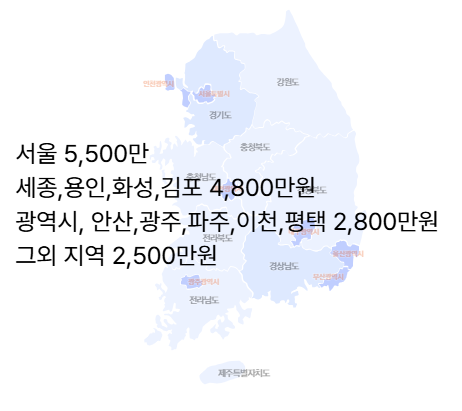
A small-amount deposit up to a fixed sum set for each region is protected money. For example, in Busan, up to about KRW 28 million is excluded from the liquidation value. This means that amount does not have to be reflected in your repayments. The threshold differs by region, so check the standard that applies where you live.
Key concept 3: liquidation value
Liquidation value is the most important concept in personal rehabilitation. It means the value your assets would fetch if they were sold. For a tenant the calculation is simple: the deposit minus the small-amount deposit is the liquidation value.
For example, if the deposit is KRW 100 million and the small-amount deposit is KRW 28 million, the liquidation value is about KRW 72 million.

A worked example: when total repayments fall short of the liquidation value
This is the case of a self-employed person.
Repaying KRW 1.2 million a month for 36 months comes to total repayments of roughly KRW 43 million. But the liquidation value is KRW 72 million, so the total repayments fall short of the liquidation value.

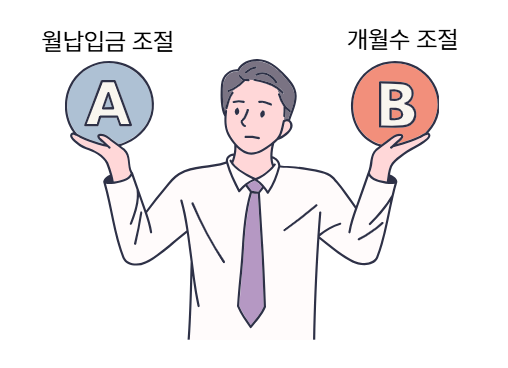
In this situation there are three options.
- Extend the repayment period from 36 months to 60 months.
- Increase the monthly repayment.
- Adjust how the asset value is reflected so that total repayments meet or exceed the liquidation value.
With these adjustments, you can proceed with personal rehabilitation while keeping your deposit.
Will my landlord find out about the personal rehabilitation?
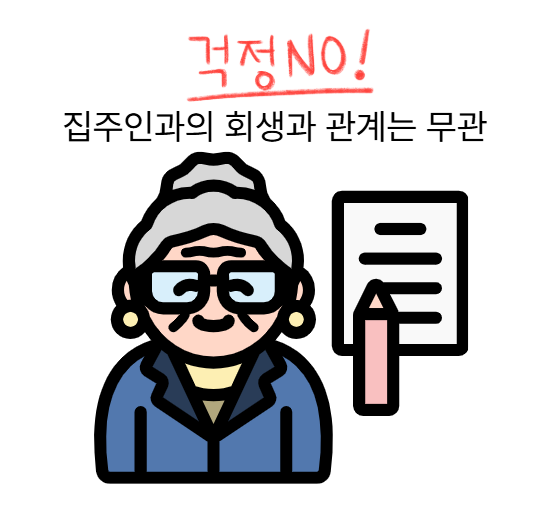
This is something many people worry about. The landlord is not a creditor, so the landlord is not someone who receives notice in the personal rehabilitation proceedings. As a result, the procedure itself does not inform your landlord that you have filed.
Will the bank take my deposit?
That depends on whether a pledge has been created. Without a pledge, the bank is just an ordinary creditor, so once personal rehabilitation begins it cannot collect against the deposit. If there is a pledge, how the deposit is handled needs to be reviewed separately.

In summary
- You can keep your deposit and stay in your home during personal rehabilitation.
- The small-amount deposit is a protected sum excluded from the liquidation value.
- Whether there is a pledge decides the direction, and the key is to bring total repayments in line with the liquidation value.

Personal rehabilitation does not stop at reducing debt; it is a system that helps you get back on your feet while keeping the home you live in. As a tenant, you can make proper use of it to protect your deposit, reduce your debt and stabilize your life.
If any of the following applies to you, rather than judging on your own, go over the calculation together with us in a consultation.
- You have a jeonse loan
- Your deposit is KRW 50 million or more
- You do not know whether a pledge has been created
- Your repayment amount comes out unreasonably high
Last reviewed: 2026-10-19 This article provides general legal information; specific advice is given through consultation.
Tell us what is happening first
Leave an inquiry and we will explain how to proceed after reviewing it. If it is urgent, please call 1577-0448.