
Personal Rehabilitation in Wonju: Why People Put It Off, and What We See in Consultations
"I spent more than a year just thinking about it." This is what we hear most often in consultations on personal rehabilitation in Wonju. Many people say they had been watching videos about it for a year or two and have only now found the courage. Based on consultation cases, we explain why putting off the decision is not just a matter of willpower, and how to break that cycle.

A scene we often encounter in consultations
Many people borrow from those around them to repay debts, take on more work even as their health declines, and only then, belatedly, seek a consultation. Every time we see a case that could have been resolved far more easily if the person had come a little earlier, we feel regret.
Why people put off decisions in the face of debt
Postponing a decision is not only a matter of weak will. When debt builds up, the stress hormone cortisol is released continuously, and the problem is that this state does not end quickly but goes on for a long time.
As a result, judgment and concentration decline, it becomes harder to make rational decisions and more choices are driven by emotion. In effect, the larger the debt, the more clouded the judgment becomes.
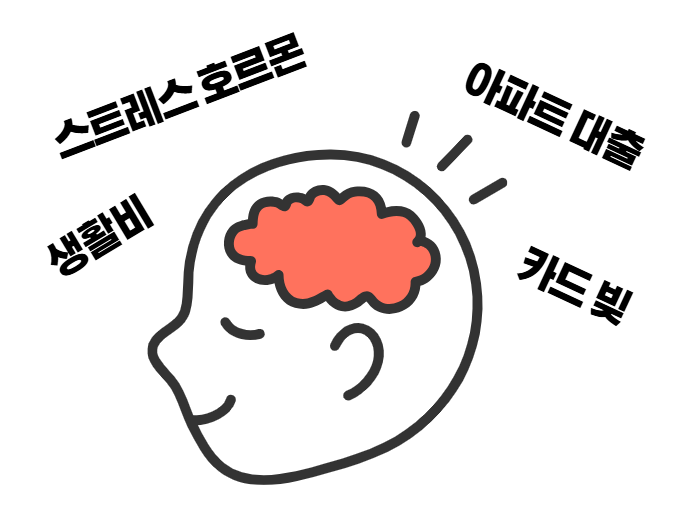
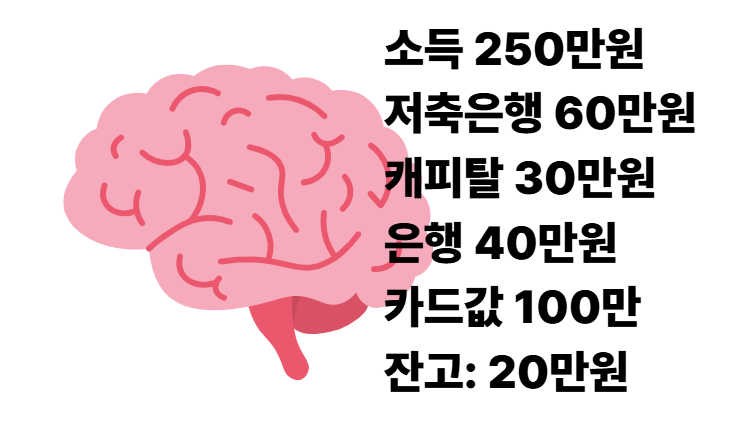
Research from the United States points the same way. The more debt people have relative to their assets, the greater their stress and depression, the higher their blood pressure, and the lower their cognitive ability itself.
Worry takes away sleep, lack of sleep weakens judgment, clouded judgment leads to wrong choices, and those choices lead back to more debt. It is a vicious circle that is hard to escape.
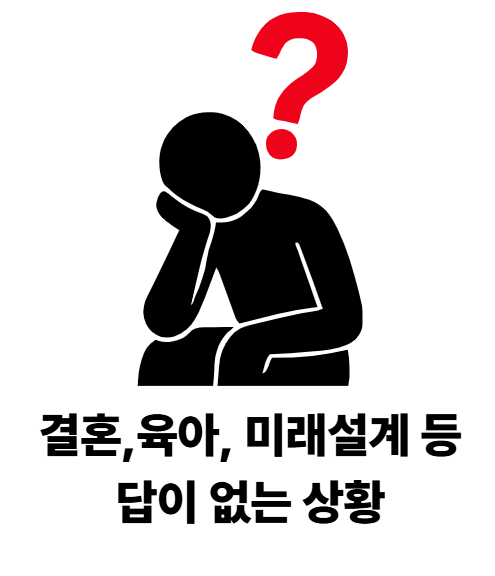
The thought of holding on a little longer
Many people vaguely hope that if they just hold on a little longer, things might get better next month.
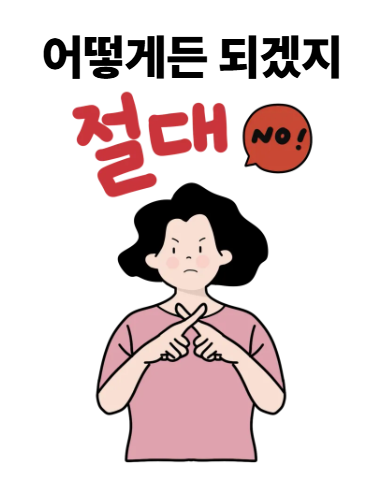
But that hope is usually the result of clouded judgment pushing the decision further back. And so one year, then two, go by.
The key to breaking the cycle is simplifying the structure of your debt
The way to break the vicious circle is clear: simplify the structure of your debt. There is also overseas research showing that cognitive ability improved once multiple debts were consolidated.

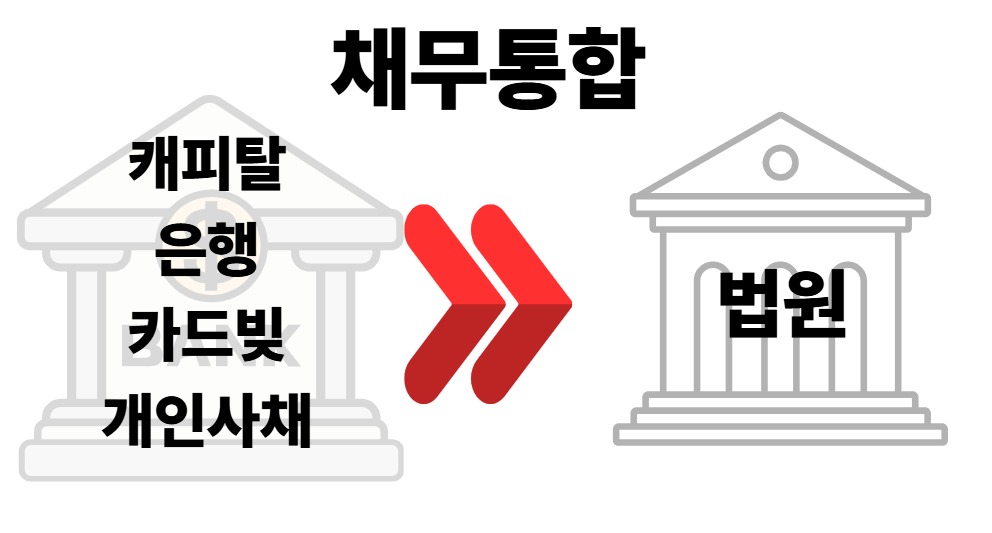
With personal rehabilitation (gaein hoesaeng) in Wonju, debts that were being repaid separately to multiple creditors are bundled into a single repayment plan, complicated repayments become a single payment, and part of the debt can be discharged. It is not just the money problem that gets solved; as the mental burden lightens, judgment returns and you can make realistic plans.
The difference between those who come early and those who come late
There is a clear difference between someone who seeks a consultation early on and someone who comes two years later.
In the end, it is a question of timing.
If making that one contact feels hard
Many people know that a single call is all it takes, yet cannot make that one call. This is not a matter of personality; it is because the mind is in a state of avoiding the decision. If a phone call feels like too much, start by requesting a consultation with a short message, and if even that is hard, start by writing down your debts and income on paper. One small action becomes the starting point.
What changes while you keep putting it off
If you have already started thinking about it, now is the earliest possible time. Whether you will still be holding on to the same worry a year from now or will change your debt structure now is ultimately your own choice. We hope you will start by looking, together with us in a consultation, at why you have been putting off personal rehabilitation in Wonju.
Last reviewed: 2026-10-19 This article provides general legal information; specific advice is given through consultation.
Tell us what is happening first
Leave an inquiry and we will explain how to proceed after reviewing it. If it is urgent, please call 1577-0448.