
Lump-Sum Repayment in Personal Rehabilitation for Faster Discharge and Credit Recovery
Many people say the most frustrating part of personal rehabilitation is paying the repayment amount every month for three to five years. Can you pay off the rest all at once and finish early? The answer is yes, and this is lump-sum repayment in personal rehabilitation (gaein hoesaeng). It is not available to everyone, however, so we have set out, question by question, what the court looks at and when applying can actually leave you worse off.

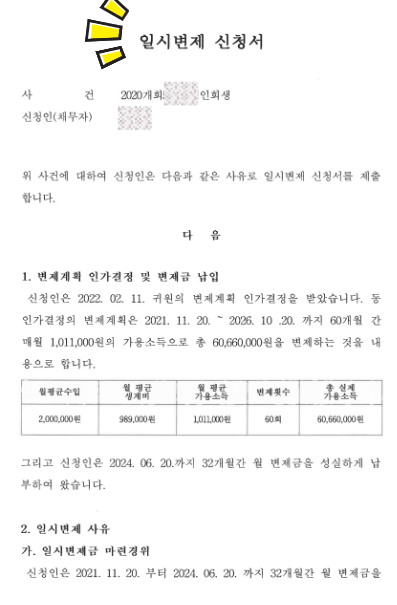
What is lump-sum repayment?
Personal rehabilitation is normally structured so that you pay a fixed amount every month for three or five years and then receive a discharge. Lump-sum repayment is the exception. If you pay the entire remaining repayment amount at once, you can apply for discharge right away. In effect, you shorten the waiting time with money.

Can anyone make a lump-sum repayment?
Realistically, not many people can. When you are already weighed down by enough debt to file for personal rehabilitation, it is not easy to raise a large sum all at once.

When lump-sum repayment is sought most often
The most common case in practice is someone about to get married. They need a jeonse loan, so restoring their credit is urgent, but loans are blocked while they are in personal rehabilitation. The most common path, therefore, is to make a lump-sum repayment with help such as support from parents, obtain an early discharge and then take out the loan.

Three things the court examines in a lump-sum repayment
Saying you have come into money and want to pay it off does not mean the court will simply accept it. The court views lump-sum repayment quite strictly.
Source of funds. The court checks whether the money is support from parents, your own money or borrowed money. Bank transfer records are essential.
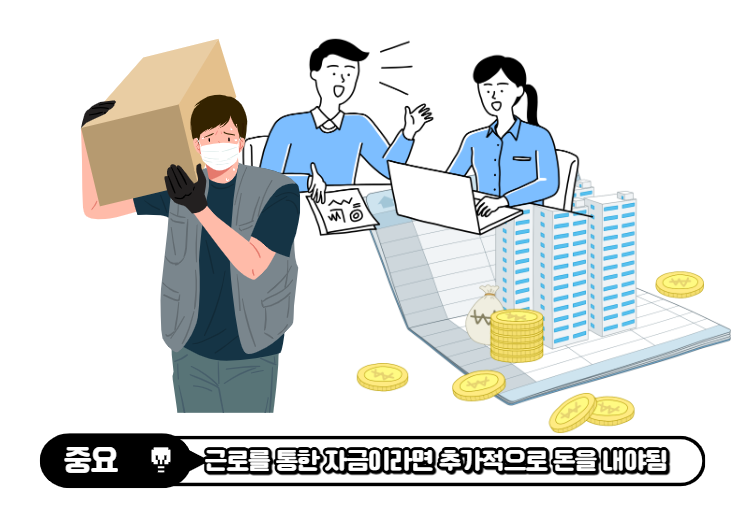
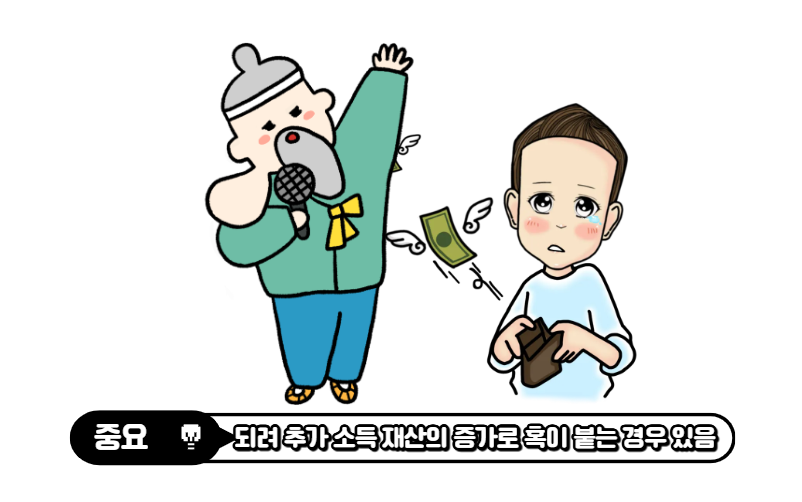
Increase in assets. The court looks at whether your assets have grown since you filed for personal rehabilitation, for example by buying real estate or receiving a large sum. If your assets have grown, the court may conclude that you could pay more.
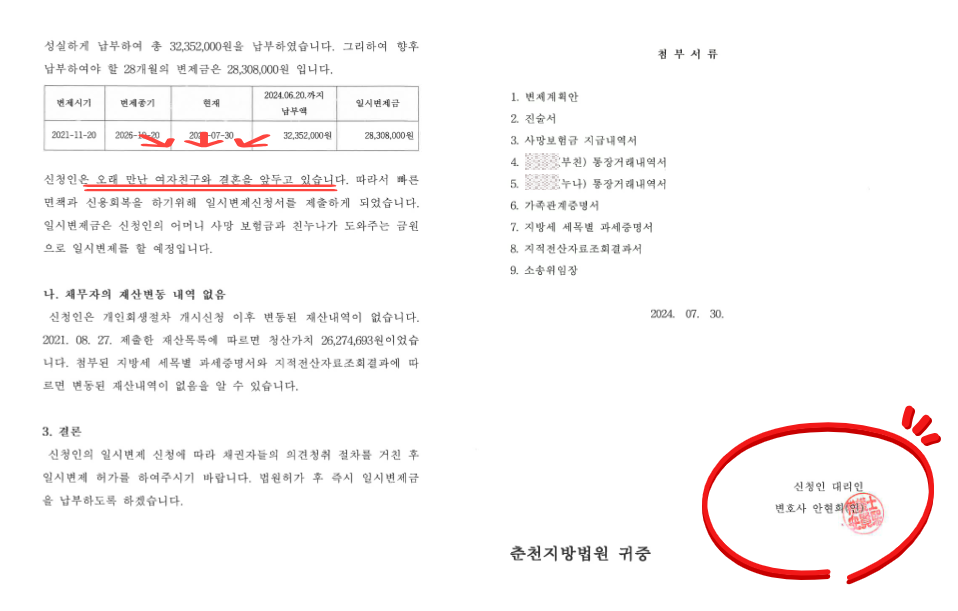
Increase in income. The court looks at whether your salary has risen or your business income has grown. If your income has risen significantly, you may be asked to increase the repayment amount instead of making a lump-sum repayment.
Why does it matter whose money it is?
The practical core of lump-sum repayment is whose money it is. Money provided by family is relatively safe, but your own money is risky. If it is your own money, you may face suspicion that it is a hidden asset or that you could have paid more.

Lump-sum repayment application procedure
- Submit a lump-sum repayment application
- Submit documents on the source of funds and financial records
- Creditors' opinions are heard
- The court decides
- If permitted, pay the remaining repayment amount in full at once
- Apply for discharge right away
Do not apply in these cases
If you apply for lump-sum repayment when your income has risen significantly or your assets have grown considerably, the repayment amount may actually go up and leave you worse off. In such cases it is better to hold off on applying.

Why it is worth considering ahead of a wedding or a loan
Lump-sum repayment in personal rehabilitation is a way to aim for a quick credit recovery, but it is not open to everyone. The source of funds and your current income and assets are the key, and a poorly judged application can cost you.
If you are about to get married, urgently need a loan or need to restore your credit quickly, it is a system worth examining in advance and making use of.
Last reviewed: 2026-10-19 This article provides general legal information; specific advice is given through consultation.
Tell us what is happening first
Leave an inquiry and we will explain how to proceed after reviewing it. If it is urgent, please call 1577-0448.