
Drawbacks and Cautions of Personal Bankruptcy, from Filing to Life After Discharge
It is easy to think that once you file for personal bankruptcy your debts disappear and everything is over, but in reality there are several stages to get through, from deliberating before filing to life after discharge. The question we are asked most in consultations is also whether to choose personal bankruptcy or personal rehabilitation. We have gone through the drawbacks and cautions of personal bankruptcy (gaein pasan) in the order of the procedure.

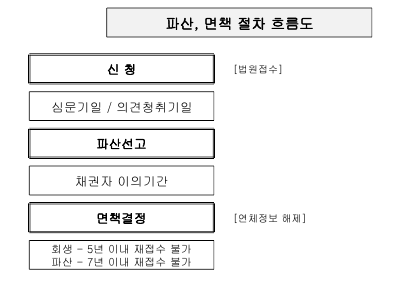
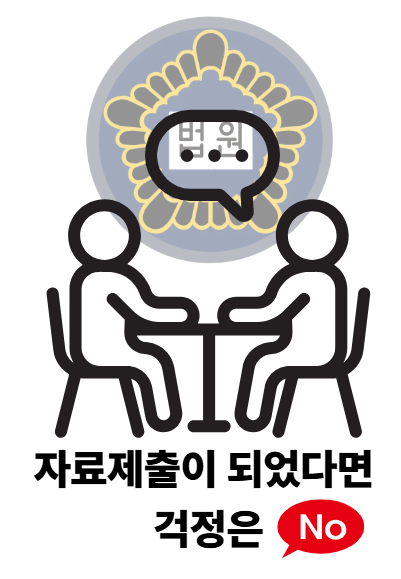
The illustration above shows how personal bankruptcy proceeds.
Even choosing a consultation and a representative is not easy
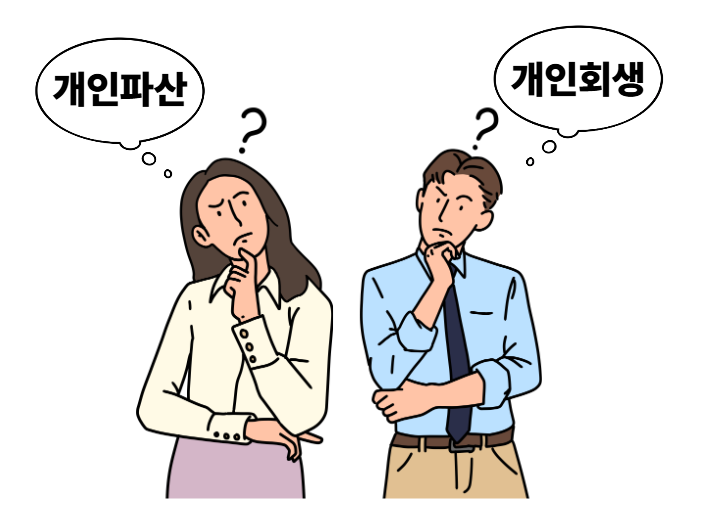
When you consider personal bankruptcy, the first sticking point is where to get a consultation. The choice between personal bankruptcy and personal rehabilitation depends on the circumstances, yet some advisers recommend personal rehabilitation first without listening enough.
Each person's case falls into one of three groups: personal bankruptcy is better, personal rehabilitation is the right fit, or the two options need to be weighed against each other. That is why it is a good idea to get personal bankruptcy consultations from several places.
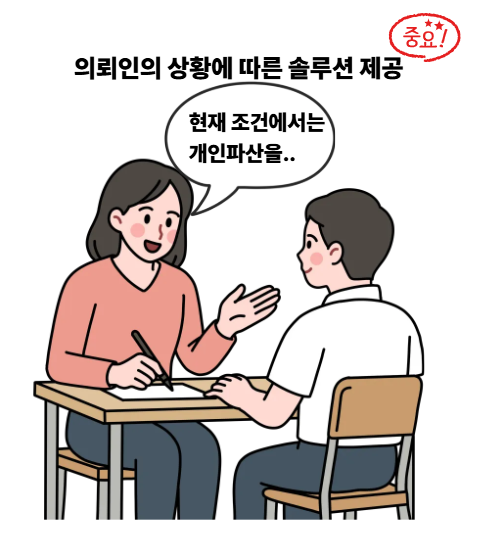
When choosing where to consult, look at the following.
- Whether they listen to your circumstances all the way through
- Whether they explain accurately whether personal bankruptcy is possible
- Whether they compare it side by side with personal rehabilitation
Finding a trustworthy representative is itself the first gateway in personal bankruptcy. It is also worth checking whether, in the consultation, they explain the outcome of personal bankruptcy and of personal rehabilitation by applying each to your income and assets, and whether they are frank about the disadvantages too.
There are more financial transaction documents than you expect
Although the procedure has become simpler than before, many documents are still needed to file for personal bankruptcy. Particularly demanding are financial records such as account transaction histories, card usage histories and financial transaction information.
These days many documents must be obtained online, such as through the integrated account information management service. Because you have to go through a joint digital certificate, a mobile phone in your own name and online authentication, people who are not comfortable with computers struggle at this stage.
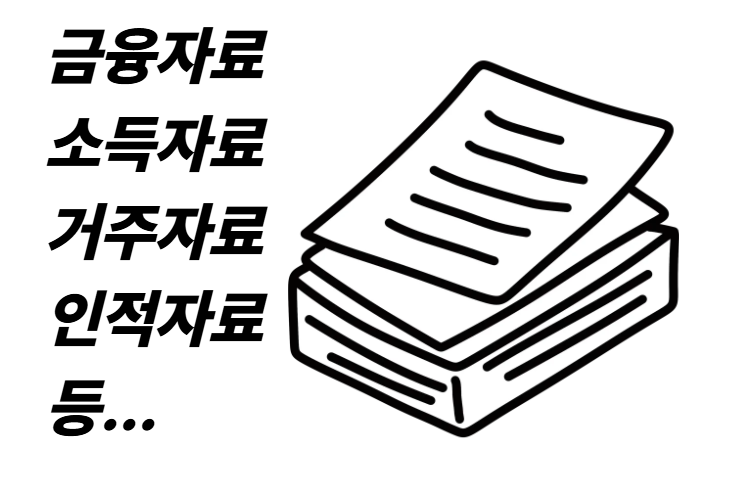

If you have many insurance records or financial documents, the amount to prepare grows accordingly.
You may be asked for family documents
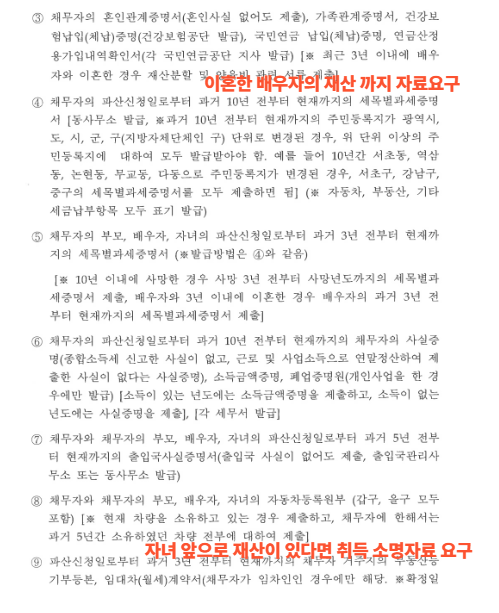
Something that unexpectedly comes up during personal bankruptcy is documents relating to family. You may be asked to submit your spouse's assets, your children's bank transaction histories and records of your parents' assets. If property has recently appeared in a child's name, you may be required to explain where that money came from.
If it is hard to tell your family about the bankruptcy, preparing the documents itself becomes a burden on your mind. If you know in advance that family records may be needed and decide when and how to talk to them, you will be less flustered during the proceedings.
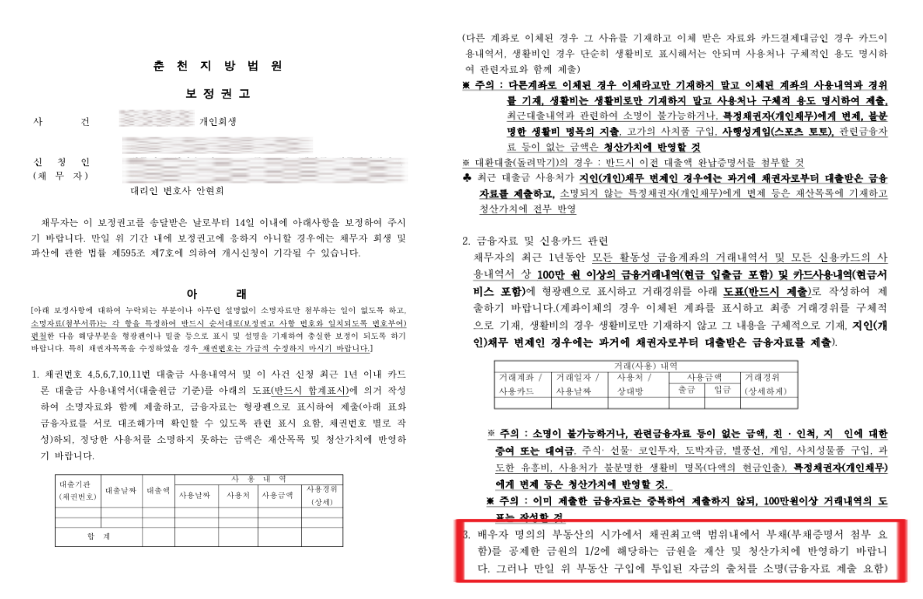
Because correction orders sometimes ask about a spouse's assets, many people find this part burdensome during the proceedings.
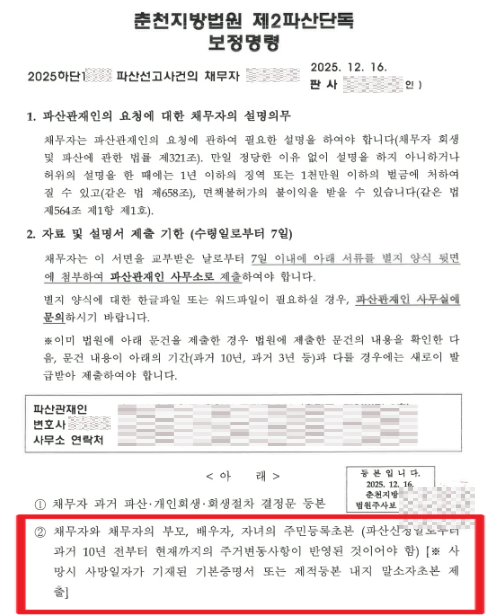
In some cases, records for parents, spouse and children are all requested at once.
Court appearances and the bankruptcy trustee interview
Personal rehabilitation is mostly conducted through document review, but personal bankruptcy involves procedures you must attend in person.
- Attending the bankruptcy declaration hearing
- Attending the creditors' meeting
- The bankruptcy trustee interview
The bankruptcy trustee's role is to investigate the debtor's assets and debts, and because the interview is one-on-one, many people are nervous. If you explain things as they are and have submitted your documents properly, there is no need to worry too much. What decides discharge is whether you have deceived the court or hidden assets.
Drawbacks that remain after discharge
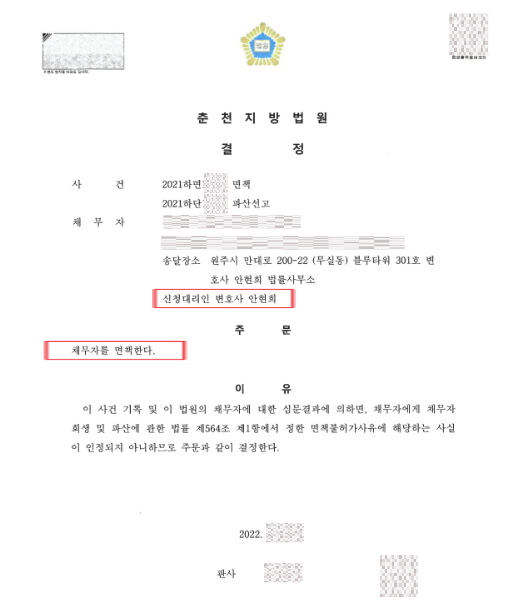
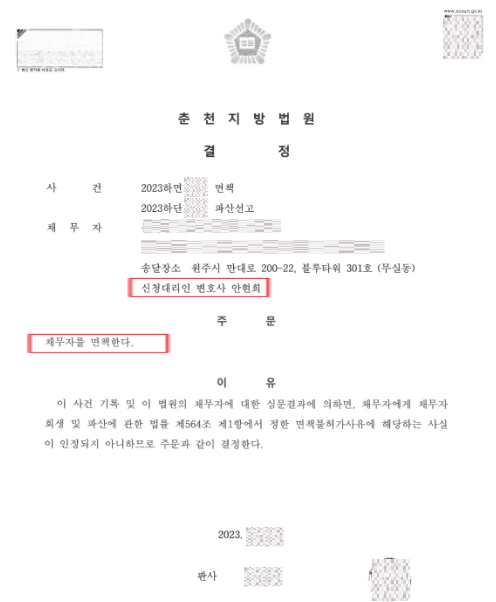
People expect everything to be resolved once they receive a discharge in personal bankruptcy, but the reality is a little different. The debt may be gone, but your credit does not come back right away.
The reason is public record registration. Even after discharge in personal bankruptcy, that information remains with financial institutions for about five years. During that time, restrictions apply to loans, credit card issuance and financial transactions, and even if you want to start a business, it is often hard to obtain a business loan. Discharge is the starting point of a fresh start, not the point of immediate recovery.
Why personal bankruptcy is still worth considering
It is natural to feel afraid in the face of personal bankruptcy. But rather than holding out amid endless collection calls, the pressure of arrears and financial insecurity, resolving the matter through the procedure set by law may be the better choice.
Personal bankruptcy is not a system that ends with wiping out debt but one that creates an opportunity to start again. Above all, it is important to know its drawbacks and cautions in advance and to choose the option that fits your situation through an accurate consultation.

Last reviewed: 2026-10-19 This article provides general legal information; specific advice is given through consultation.
Tell us what is happening first
Leave an inquiry and we will explain how to proceed after reviewing it. If it is urgent, please call 1577-0448.