
Bank Statements Before Filing for Personal Rehabilitation: How the Court Looks at Spending and Income
Many people hesitate to file for personal rehabilitation because they fear that submitting bank statements will reveal everything they spent money on. The court's purpose in looking at bank statements is clearer than you might think: to check where the debt went and whether you did anything to the detriment of creditors. Below we answer, question by question, what the court actually looks at in bank statements when you file for personal rehabilitation (gaein hoesaeng).


How far do I have to explain recent loans?
When you file for personal rehabilitation, you are usually asked how loans taken out within roughly the last year were used. If loan money came into your account, the court checks where that money went.
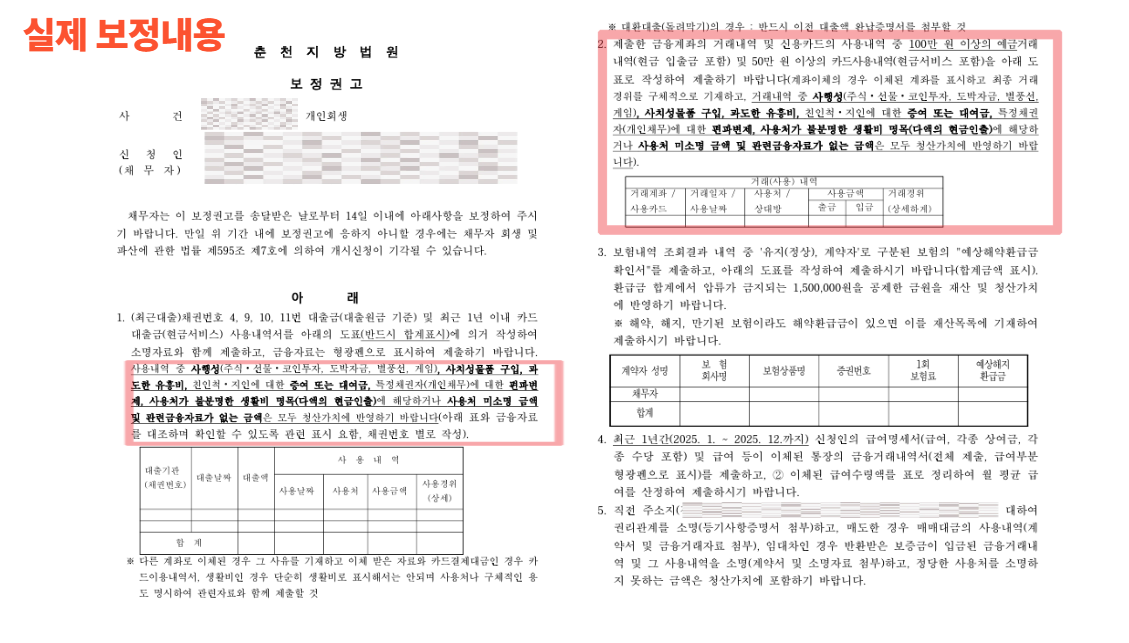
The court does not examine every transaction one by one. It usually asks for an explanation only for transactions above a certain amount, such as KRW 300,000 or KRW 500,000.
If a use falls in the right-hand column, the repayment amount may rise or personal rehabilitation itself may become difficult.

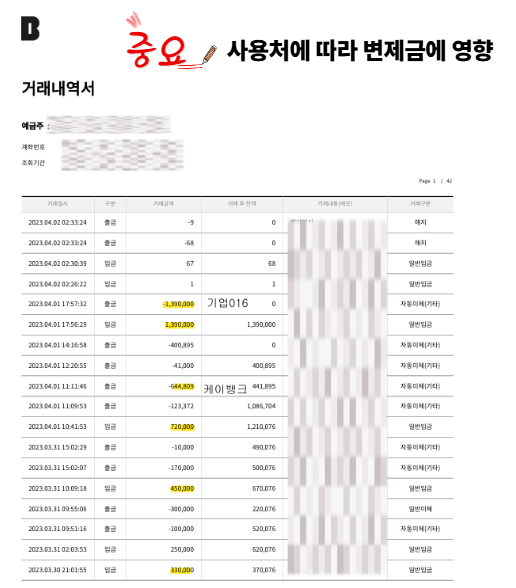
When you file, you submit the statements for all your accounts and report to the court how each amount was used.
Does the court look at deposits and withdrawals even without loans?
Yes. Even without recent loans, where your salary, business income or money you already had in the account was spent can be subject to review. Here too, there is no need to explain even small transactions; often only transactions above a certain amount must be explained.
What the court watches closely is money going out rather than money coming in. This is to examine why, while in debt, you spent money elsewhere instead of repaying creditors. If you disposed of assets, you must also explain how you disposed of them and where the proceeds went.
If you recently started a job, the court checks salary deposits
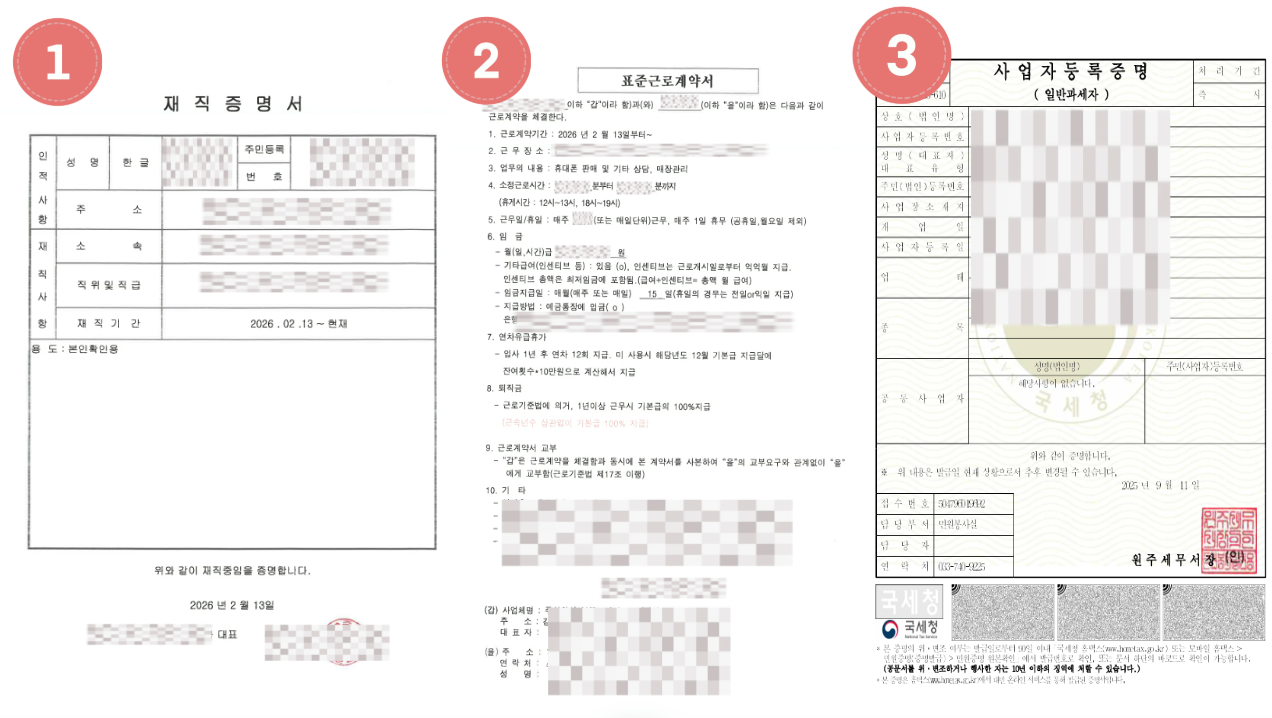
If you file for personal rehabilitation shortly after starting a job, the court may examine your bank statements to see whether you are actually working. If there is only an employment contract and no record of salary deposits, the job may be suspected of existing only on paper. That is why the court sometimes waits to see whether salary is actually deposited over a few months. If you recently left a job, where your severance pay went is also subject to review.

How is income assessed for the self-employed?
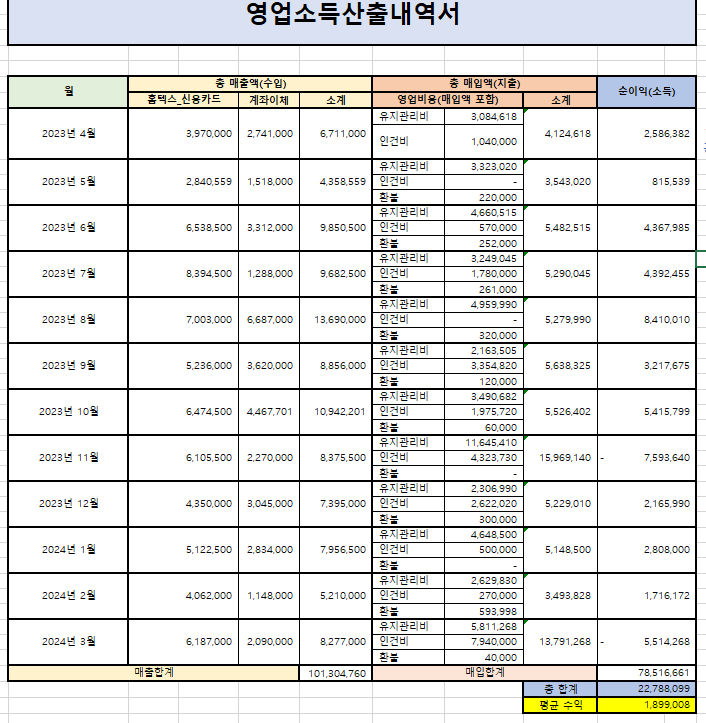
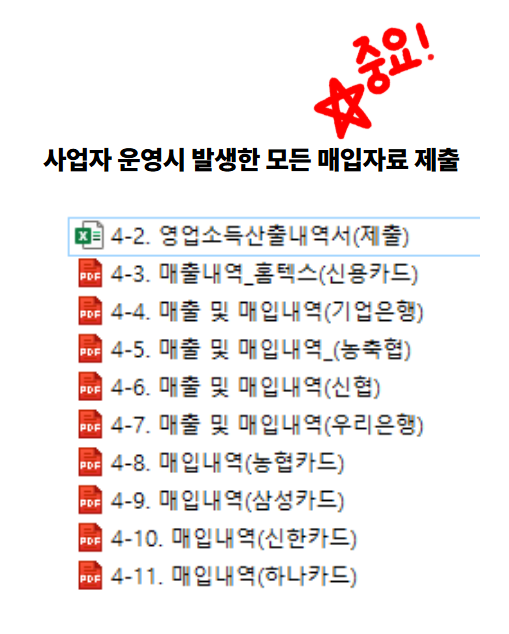
Self-employed people and freelancers often have irregular income. The court usually averages six months to one year of recent account transactions. Net profit, sales minus costs such as rent, staff wages and materials, is treated as actual income.
Even if your income on your tax return is low, if earnings are confirmed in your bank statements, you may be judged to have income to that extent.
Is it a problem if I used card cash-outs?
Bank statements can also reveal traces of card cash-outs (kadeu kkang). Examples are making a card payment and getting cash back, or raising cash through card payments when loans were blocked.
What matters is not so much whether you used card cash-outs as where that money went. If you used it to repay existing debt or for living costs, it is often not a major problem. On the other hand, luxury spending or cash withdrawals whose purpose cannot be explained can be a problem.

Stock and crypto accounts are reviewed too
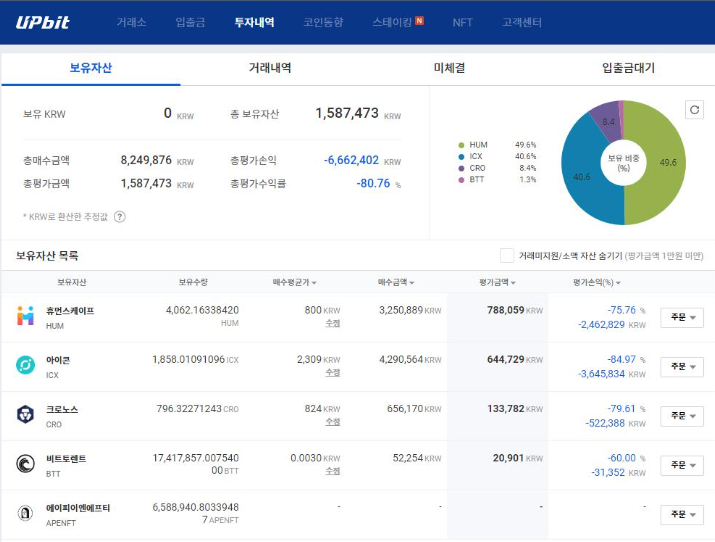
In personal rehabilitation, securities accounts and cryptocurrency exchange accounts are also checked. Even if you lost money investing, money remaining in the account may be counted as an asset. If you lost most of your investment and KRW 5 million remains, that KRW 5 million may be included in your assets.
Bank statements: just remember this
There is no need to be overly afraid of bank statements because you are filing for personal rehabilitation. The court looks at three things: where the debt went, whether there are hidden assets and your actual income. Ordinary living expenses and normal transactions rarely become a major problem.
Last reviewed: 2026-10-19 This article provides general legal information; specific advice is given through consultation.
Tell us what is happening first
Leave an inquiry and we will explain how to proceed after reviewing it. If it is urgent, please call 1577-0448.