
Consequences of a Discontinued Personal Rehabilitation: Revived Interest and Seizure
Many people breathe a sigh of relief on the day they receive a prohibition order. Collection calls stop, and they can set aside their worries about seizure for a while. Yet quite a few people begin to struggle about a year after the commencement decision in personal rehabilitation (gaein hoesaeng). We have summarized why this happens and what consequences follow if personal rehabilitation is discontinued.
Living on minimum living expenses for three to five years
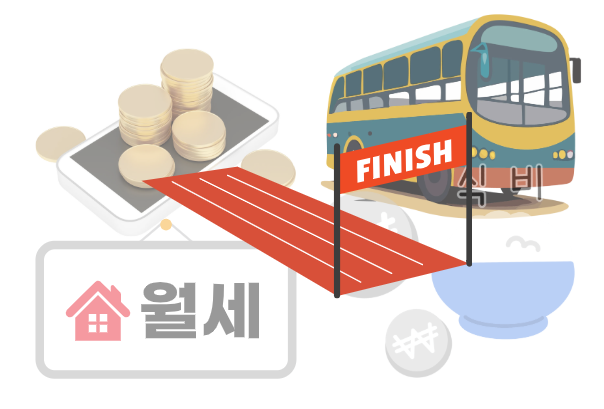
As of 2026, the minimum living expenses the court recognizes for a one-person household are about KRW 1.54 million. Personal rehabilitation requires all remaining disposable income after deducting this amount to be paid as repayments, so you have to live at the level of minimum living expenses for three to five years.
If you live alone in Seoul, rent takes KRW 500,000 to 600,000 a month and food KRW 400,000 to 500,000, and fixed costs such as transportation and phone bills are added on top. Once you add it up, almost nothing is left in hand. This structure is the main reason personal rehabilitation becomes harder over time.

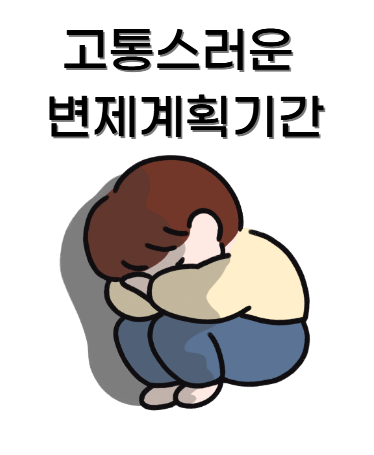
Why does it get harder after a year?
The first few months are bearable. Then, around the one-year mark, things like the following start to pile up one after another.
- Stress that builds up from constantly holding back spending
- Sudden medical bills
- Falling sales for self-employed people
- Reduced incentives for salaried workers
- Unexpected costs for weddings, funerals and other family events
Personal rehabilitation is not a sprint but a long-distance race. This is why many people say it is like a marathon.
Three consequences of a discontinued personal rehabilitation
This is also one of the most searched questions. If personal rehabilitation is discontinued, the following three consequences arrive all at once.
Suspended interest starts to accrue again
If personal rehabilitation is discontinued, the interest that had been suspended revives. The weight of revived interest is greater than you might think. Late payment damages charged by financial companies are usually around 15% to 20% a year.
Seizure can follow without a separate lawsuit
The list of creditors submitted in the personal rehabilitation procedure has the same effect as a court judgment. As a result, creditors can proceed with seizure without filing a separate lawsuit.
Money already paid covers interest first
Most of the repayments already made are applied to interest first. In many cases the principal remains almost unchanged.
In the end, discontinuance of personal rehabilitation is not just a simple failure. With revived interest and seizure combined, the debt ends up in a worse position than at the start.
The misconception that personal rehabilitation means not repaying debt
Many people think of personal rehabilitation as a system that makes debt disappear, but that is not the case. It is a system in which you repay as much as you can over three to five years, and the remaining debt is then discharged. It is designed to balance two goals: protecting creditors and giving debtors a chance to get back on their feet.
How to build the strength to last until discharge
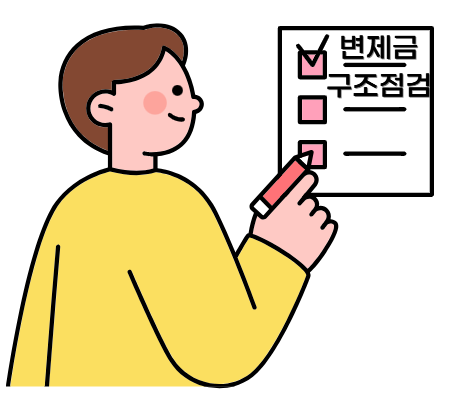
In personal rehabilitation, the middle stage is harder than the beginning. Even so, if you keep going to the end, you can reach the result of a discharge. To avoid the consequences of discontinuance, keep up with the following four points.
- Manage your repayments so they do not fall behind.
- Seek advice immediately if your income changes.
- Review your spending structure regularly.
- Let go of the urge to rush.
Personal rehabilitation is a system of enduring over time. If you understand the reality of personal rehabilitation accurately, recognize that discontinuance brings consequences such as revived interest and seizure, and make a long-term plan, you can calmly prepare the road to discharge.
Last reviewed: 2026-10-19 This article provides general legal information; specific advice is given through consultation.
Tell us what is happening first
Leave an inquiry and we will explain how to proceed after reviewing it. If it is urgent, please call 1577-0448.