
Types of Personal Bankruptcy Discharge and How the Court Decides
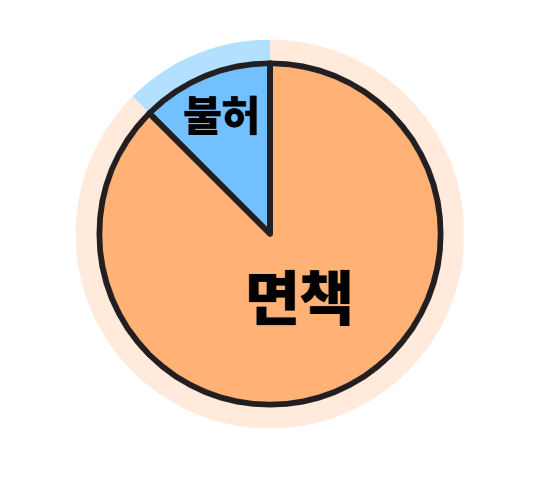
Will I get a discharge if I file for bankruptcy? This is the first question people considering personal bankruptcy ask. Anyone can file for personal bankruptcy, but not everyone receives a discharge (myeonchaek), and some cases end with the discharge denied or the application withdrawn midway. We have summarized five types where a discharge is granted relatively smoothly in practice and the criteria the court uses.
Debts incurred long ago
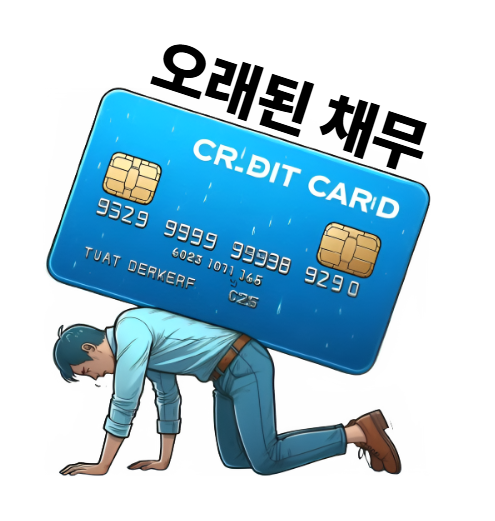
This is the most typical type. It covers debts incurred more than 10 years ago, or debts more than 20 years old, such as those from the IMF crisis era.
When reviewing a bankruptcy case, the court first checks the list of creditors and when the debts arose. For old debts, the court considers that the person must have struggled for a long time as a credit delinquent, while for recent debts it asks why the loans were taken out in a concentrated way recently. It is natural for cases with many recent debts to be viewed more strictly, which is why people with old debts tend to find a personal bankruptcy discharge relatively easier.
Unable to work because of illness or an accident
These are cases with reasons beyond the person's control.
- A serious illness such as cancer
- Long-term treatment or lasting disability from an accident
- Job loss or loss of income resulting from these
The court also takes such circumstances fully into account. If you became unable to engage in economic activity because of sudden circumstances rather than your own fault, the discharge tends to proceed relatively smoothly.
Business debts of self-employed people who closed their business
This is the type we consult on most these days. Sales fell, loans were taken out, and debts piled up as the business closed when it still could not hold on. Looking at bank account and card records, most of the spending is on materials, labor costs, rent, taxes and utility charges.
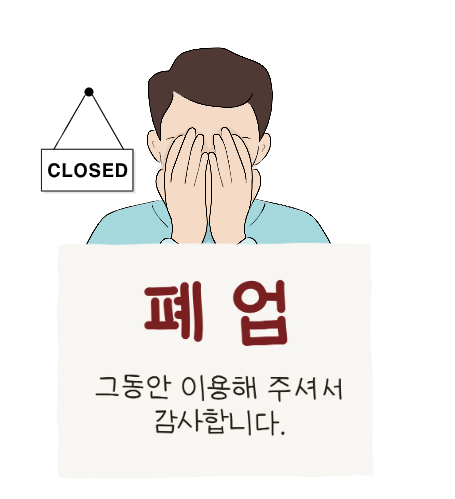
What matters is that the money was spent on running the business, not on luxury or waste. The court often sees this as a situation where someone ran a business in good faith but could not cope when the economy worsened, so discharge tends to be granted relatively readily.
Elderly or without work for a long time
The key question in personal bankruptcy is whether you could repay the debt even if you worked hard from now on.
Typically, for people aged 65 or older, or people who have been without work for a long time, the court finds that the likelihood of future economic activity is low, so bankruptcy and discharge are often easier.
Living cost debts piled up because of many dependents
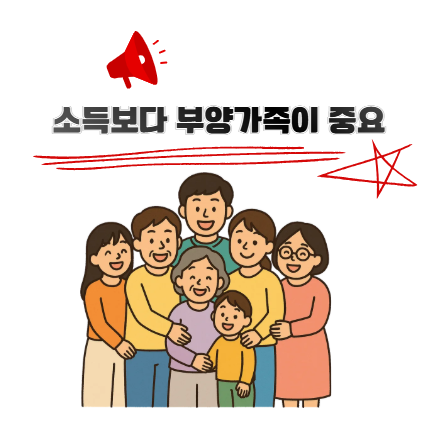
This is the most misunderstood type. It is not true that bankruptcy is impossible if your monthly salary exceeds KRW 3 million, or that you cannot go bankrupt if you have a job.
Even if you have a job and a certain level of income, you can consider personal bankruptcy if card bills and loans have piled up for the following reasons.
- You have several minor children.
- You are supporting your parents.
- A family member is ill and medical costs are heavy.
- Living expenses fell short and you have been covering the gap with cards and loans.
Looking at the bank account and card records of such people, most of the spending is on living costs only. If there is no record of spending on unrelated things, it does not constitute a ground for denying discharge, and in many cases personal bankruptcy fits better than personal rehabilitation.
The court's four criteria
Personal bankruptcy is neither a system closed to most people nor one where you must always choose rehabilitation. The court weighs the following four points together in deciding on discharge.
- How the debts arose
- How long the debts have continued
- How the borrowed money was used
- Current and future earning capacity
If you have only been told that bankruptcy is impossible and only rehabilitation is available, it is worth examining your circumstances carefully once more. There are certainly types for which personal bankruptcy is the more realistic choice.
Last reviewed: 2026-10-19 This article provides general legal information; specific advice is given through consultation.
Tell us what is happening first
Leave an inquiry and we will explain how to proceed after reviewing it. If it is urgent, please call 1577-0448.