
Preparing for the Bankruptcy Trustee Interview and the Personal Bankruptcy Procedure
Many people say they feel nervous sitting in front of a bankruptcy trustee, as if they were being investigated. In fact, some people become so tense at the interview that they force explanations of things they cannot remember, which ends up causing problems. We have summarized how the personal bankruptcy procedure unfolds, what the trustee does and how to prepare for the interview, in the order of the questions we hear most often.

Do bankruptcy and discharge proceed together?
In personal bankruptcy, the bankruptcy petition and the discharge application are filed together. However, the decisions come out in sequence.
- Filing of the personal bankruptcy petition and discharge application
- Bankruptcy declaration after a certain period
- Appointment of a bankruptcy trustee
- Submission of materials and investigation at the trustee's request
- Discharge decision if there are no grounds for denying discharge
The overall flow is bankruptcy declaration, investigation and then the discharge decision.
How many times do I have to go to court?
Unlike personal rehabilitation, personal bankruptcy requires you to appear in court at least twice: once at the bankruptcy declaration and once before the discharge decision. An interview with the trustee may be added to this.

How long does the personal bankruptcy procedure take?
If you have almost no assets and the issues are simple, some cases finish in two to four months. Conversely, if there are assets that must be sold, such as real estate, a business or inventory, the trustee needs to dispose of them, and the procedure can stretch to two or three years.
What does a bankruptcy trustee do?
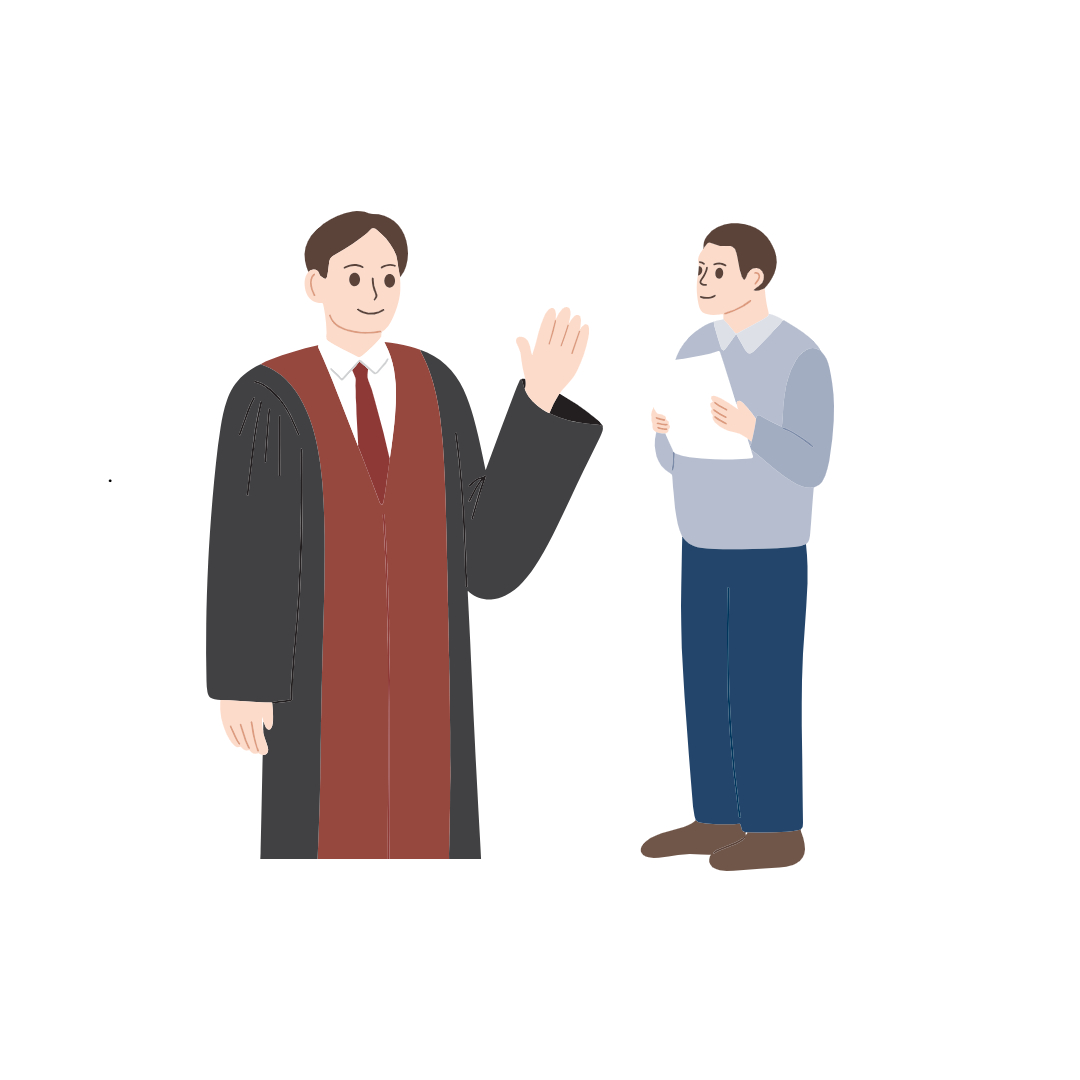
A bankruptcy trustee examines the debtor's assets and debts and investigates whether assets have been hidden or whether there are grounds for denying discharge. The role is similar to the rehabilitation commissioner in personal rehabilitation, but the scope of investigation is much wider.
Why does personal bankruptcy require more documents?
Personal bankruptcy requires a much wider range of materials than personal rehabilitation.
The trustee uses these materials to check whether there are traces of assets being diverted or income being hidden.
Is a trustee interview always held?
In most cases an interview is held. However, if there is little to investigate or financial transactions are very simple, many cases end with a phone interview without appearing in person.

What is asked at the interview?
The trustee interview is a meeting to clarify questions that arose from reviewing the documents you submitted. Common questions include the following.
- Why you sent money to family members
- Where you spent money withdrawn in cash
- The source of money that came in repeatedly
- Whether you are actually engaged in income-earning activity
- How the debts arose
You can think of it as closer to confirmation questions than an investigation.
Preparing for the trustee interview: two rules to follow
Do not lie
If you are nervous and try to answer right away but say something untrue, the problem only grows. The same goes for pretending to know something you do not.
If you do not remember, say so honestly
It is perfectly fine to answer that you do not remember, or that you will check the records and get back to them. Personal bankruptcy is not a crime, so there is no need to shrink back as if you were guilty.
If the trustee applies excessive pressure
Because trustees frequently encounter debtors who hide assets or submit false materials, they sometimes ask questions like an investigative agency. There have been cases where the pressure became excessive or emotionally hard to bear, and the attorney acting as representative stepped in to resolve the situation.
Can an attorney attend the interview with me?
In principle it is possible, but in practice attorneys do not always attend. If the interview is mainly simple fact-checking, the debtor proceeds alone, and if complex asset arrangements, business wind-downs or large transactions are involved, the representative may attend. It is decided case by case.
The personal bankruptcy procedure may look complicated, but if you know it in advance and prepare, you can handle it well. If you prepare for the trustee interview honestly and calmly, there is no need to worry too much.
Last reviewed: 2026-10-19 This article provides general legal information; specific advice is given through consultation.
Tell us what is happening first
Leave an inquiry and we will explain how to proceed after reviewing it. If it is urgent, please call 1577-0448.