
Drawbacks and Inconveniences of Personal Bankruptcy Compared with Personal Rehabilitation
Personal bankruptcy is a system that lets people crushed by debt make a fresh start, but it is not without drawbacks. There are certainly practical inconveniences that can be unsettling if you only learn of them after filing. We have summarized seven drawbacks you actually experience when you file for personal bankruptcy, and compared three of them with personal rehabilitation (gaein hoesaeng).

All credit transactions are blocked
With personal bankruptcy, credit transactions are blocked across the board. Credit transactions mean all transactions in which you use credit first and pay later.
- Credit cards
- Loans
- Overdraft accounts
- Purchases on credit in general
On the other hand, simple financial transactions such as deposit and withdrawal accounts, deposits and savings, and housing subscription accounts can continue as before. An overdraft account is a loan, so it does not fall into this group.
Matters put off become reality with the bankruptcy declaration
This is the greatest inconvenience of personal bankruptcy. Things you had somehow held off until filing all happen at once with the bankruptcy declaration.
- Homes with mortgage loans go to auction.
- Cars with secured car loans go to public sale or auction.
- For joint guarantees related to a business, collection goes straight to the guarantor.
- Real estate pledged as collateral by a third party is disposed of immediately.
Assets transferred to family members also become an issue
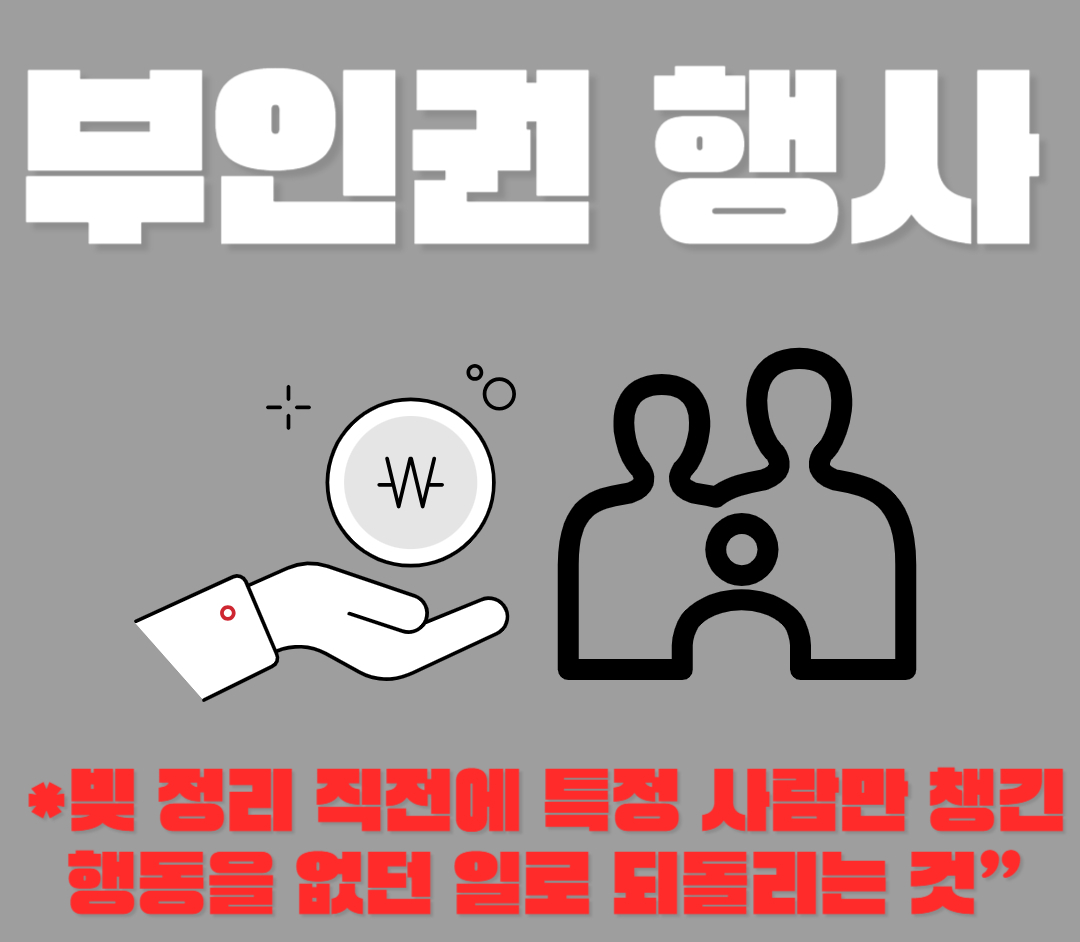
If you transferred assets to a spouse, children or siblings before bankruptcy, the transfer may be subject to the trustee's right of avoidance. If the bankruptcy trustee finds signs that assets were diverted, a procedure to recover assets already transferred may begin. This is why anyone with such a history must seek advice before filing.
Qualifications are restricted depending on occupation
For some occupations, bankruptcy itself is a disqualifying ground. Attorneys, accountants, tax accountants and public officials in general are typical examples. In the past doctors were also affected, but now restrictions remain only for certain occupations. Since different laws apply to each occupation, you must check individually.
Three points that become clearer compared with personal rehabilitation
Credit recovery is slower
In personal rehabilitation, some people recover their credit relatively quickly through lump-sum repayment or early discharge. In personal bankruptcy, credit information records remain for up to five years even after discharge, making card issuance and loans almost impossible. The speed of credit recovery tends to be much slower than with rehabilitation.
There is no prohibition order
Many people do not know this. In personal rehabilitation, you receive a prohibition order upon filing and can stop collection and seizure, but personal bankruptcy has no prohibition order system. Even after filing for bankruptcy, you must continue to face creditors' collection until the declaration is made. If there are no problems with the documents, the declaration usually comes within two to three months, but the time in between can be quite uncomfortable.
Filing again is almost impossible
Personal rehabilitation can be filed again even if it is dismissed or discontinued. In personal bankruptcy, if discharge is denied, refiling is very difficult or practically impossible. So if there are grounds for denying discharge, it is important not to choose bankruptcy in the first place.
Personal bankruptcy, chosen knowing its inconveniences
- Credit cards and loans are all blocked.
- Auction and guarantee issues become reality all at once.
- Assets transferred to family members may be recovered.
- Credit recovery takes up to five years.
- Qualifications may be restricted depending on occupation.
- With no prohibition order, collection continues until the declaration.
- If discharge fails, filing again is almost impossible.
Personal bankruptcy has these clear drawbacks, but it is also a system whose benefits are great enough to be worth these inconveniences. Whether personal rehabilitation is better or personal bankruptcy is unavoidable should be decided by comparing carefully against your own situation.
Last reviewed: 2026-10-19 This article provides general legal information; specific advice is given through consultation.
Tell us what is happening first
Leave an inquiry and we will explain how to proceed after reviewing it. If it is urgent, please call 1577-0448.