
Responding to Debt Collection Step by Step: From Calls and Visits to Seizure
Collection calls ringing several times a day, registered mail arriving at home, and the anxiety of not knowing when your bank account will be seized. These are the first things you face when a debt becomes delinquent. In consultations, too, what we hear most is that there are too many calls, that registered mail has arrived, and that seizure is frightening. We have summarized the order in which lawful debt collection proceeds and how best to respond at each stage.

Most debt collection is lawful
Many people regard all collection as illegal, but in reality few people experience illegal collection. This is because most creditors are financial institutions such as banks and card companies. Such institutions are very unlikely to engage in illegal collection against an individual debtor, and most collection is lawful and within the scope permitted by law. Hard as it may be, you should accept it as an unavoidable procedure that follows delinquency.
The order in which debt collection proceeds
- Text messages
- Phone calls
- Notices (registered mail)
- Payment order
- Provisional attachment and seizure
- Civil lawsuit
The response differs at each stage, so let us look at them one by one.
Text messages: a signal of delinquency
Text messages are not a stage with legal effect. They are at the level of a notice informing you of the delinquency, so you do not need to respond separately and there is no legal disadvantage.



However, it is good to treat this point as a signal to accept reality: delinquency has now begun, and it is time to look into systems such as rehabilitation or bankruptcy.
Phone calls: how to respond at the hardest stage
Phone calls are the stage many people find hardest. Creditors may lawfully contact you after 8 a.m., and if there are several claims, you may receive several calls a day.
There are three tips for responding.
- Do not confront them emotionally.
- Express that you are sorry.
- Clearly state that you are currently unable to repay.
For example, you could say something like this.
I am not in a position to repay right now. I am preparing for rehabilitation or bankruptcy, and I will let you know the case number once it is issued.
In fact, once a rehabilitation or bankruptcy case number is issued, the claim is transferred to an internal management department and collection calls drop noticeably. Even if a collection agent says that rehabilitation will not work, that they will obstruct it, or that you should pay a little more, there is no need to overreact. In such cases, it is safer to follow your representative's advice than the collection agent's words.
Notices: they may look frightening but have no binding force
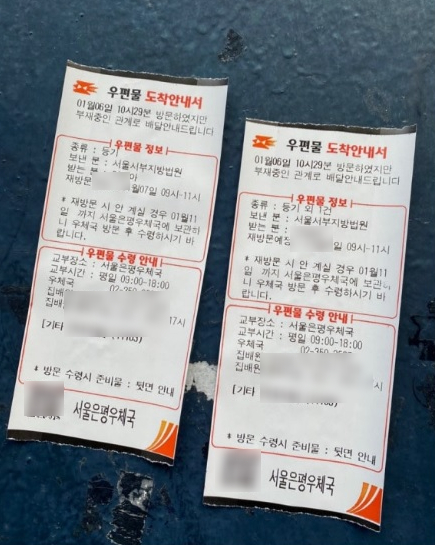
When registered mail arrives at home, you may worry that your family will see it. However, most notices are simple notifications meaning that the existence of the debt has been communicated, not decisions with binding force. At this stage, if you can repay, negotiate with the creditor, and if you cannot, decide in the direction of considering rehabilitation, bankruptcy or a workout.
Payment order: from here you must respond
A payment order is a document sent by the court. It is a procedure in which the creditor has applied to the court for payment. If you leave a payment order as it is, the following happens.
- It becomes final about two weeks after service.
- The creditor obtains an enforceable title.
- Seizure of your bank accounts, wages and assets in general becomes possible.
So you must not let a payment order become final. You need to buy time by filing an objection or move quickly with rehabilitation or bankruptcy. Even if you feel it is money you were not going to repay anyway, you must at least prevent it from becoming final.

If a seizure has been made
If your bank account or wages are seized, daily life itself becomes very difficult. At this stage, provisional attachment and seizure can in effect be lifted only through a rehabilitation confirmation decision or a bankruptcy discharge decision. Rather than disputing procedural defects, stopping debt collection itself through rehabilitation or bankruptcy is a far more realistic response.
You can refuse home-visit collection
The principle for home-visit collection is prior consultation. If the debtor clearly states that they do not want a visit, collectors may not in principle come. However, if you deliberately avoid contact and have avoided home-visit collection more than twice, they may exceptionally visit without consultation, so it is actually safer to answer the phone.
Responses by stage at a glance
Debt collection is a longer and more exhausting process than you might think. If you have already concluded that repayment is difficult, finding a formal solution quickly is actually the less painful path. The start of collection means it is now time to respond with a plan rather than with emotion.
Last reviewed: 2026-10-19 This article provides general legal information; specific advice is given through consultation.
Tell us what is happening first
Leave an inquiry and we will explain how to proceed after reviewing it. If it is urgent, please call 1577-0448.